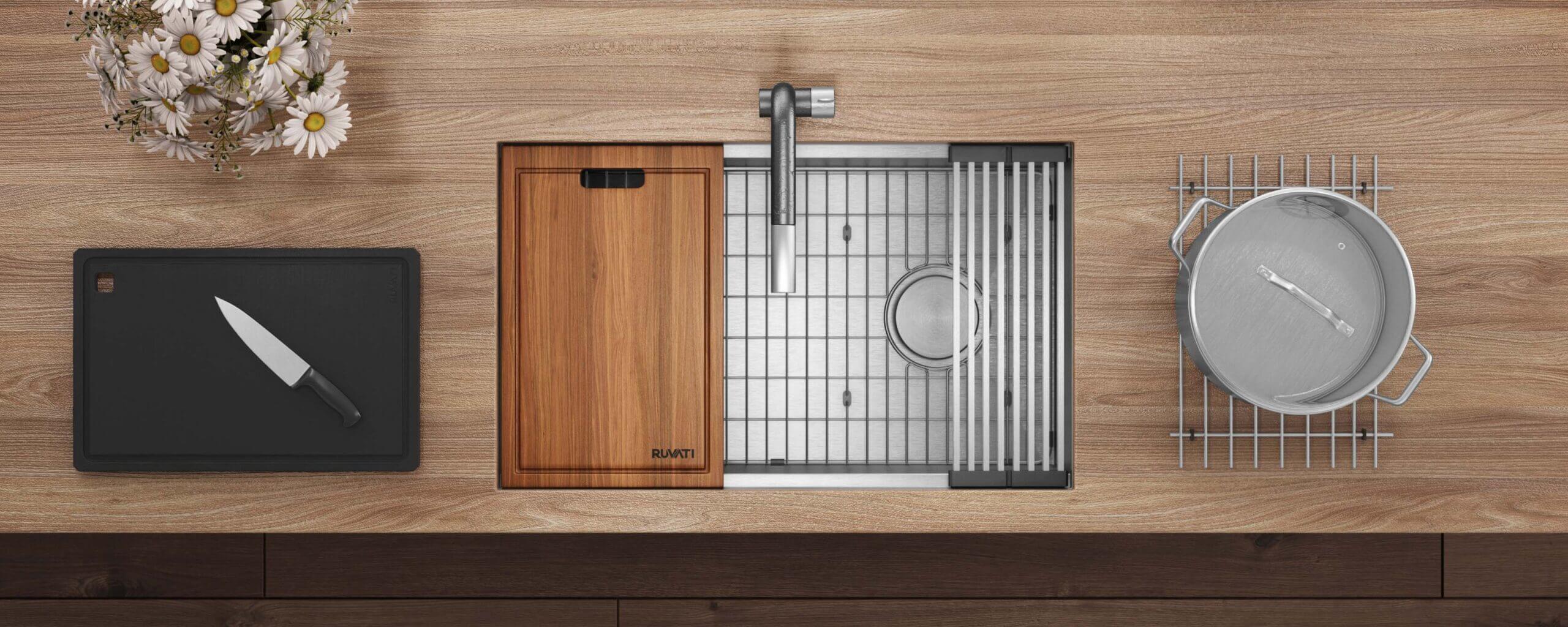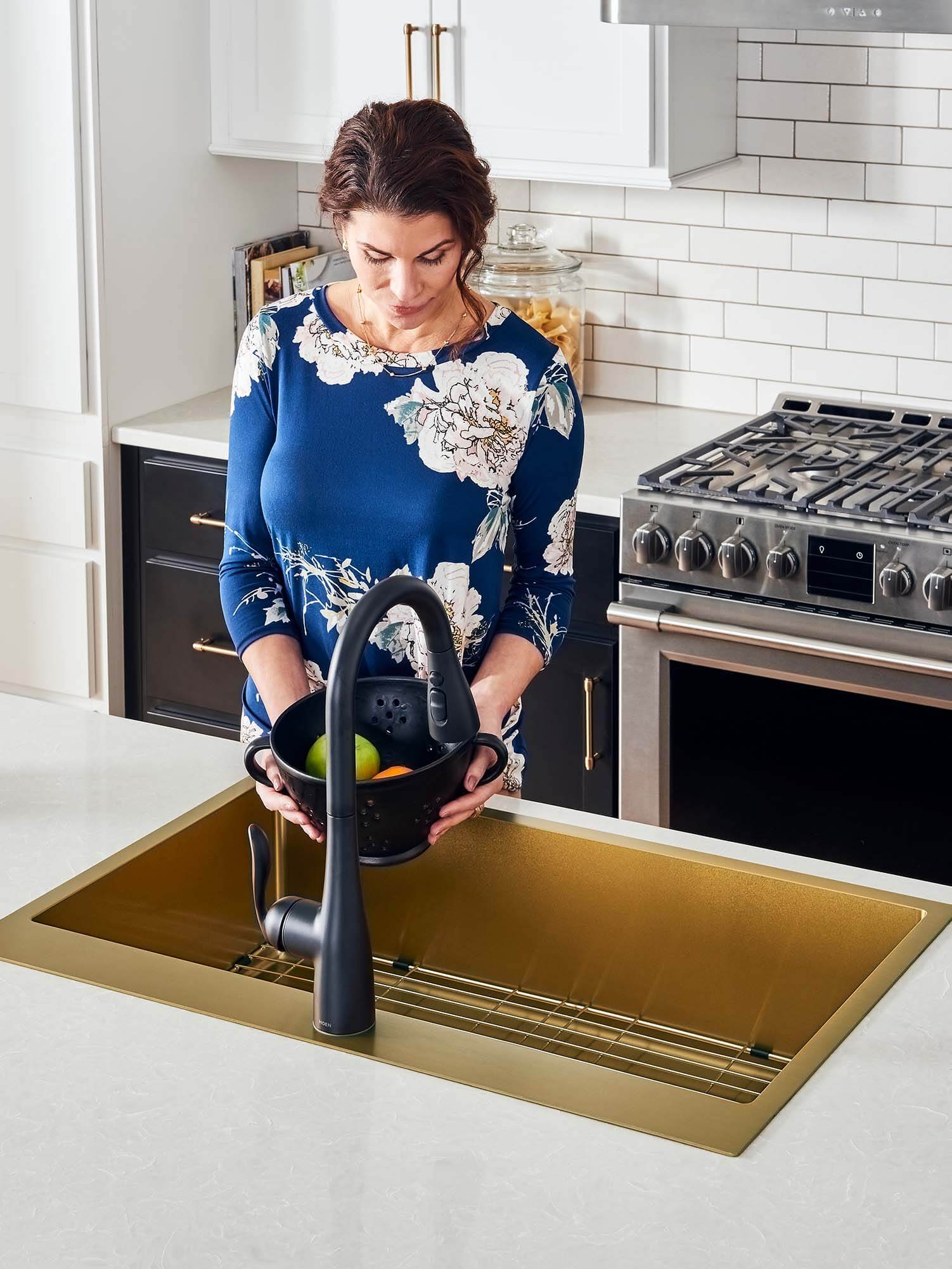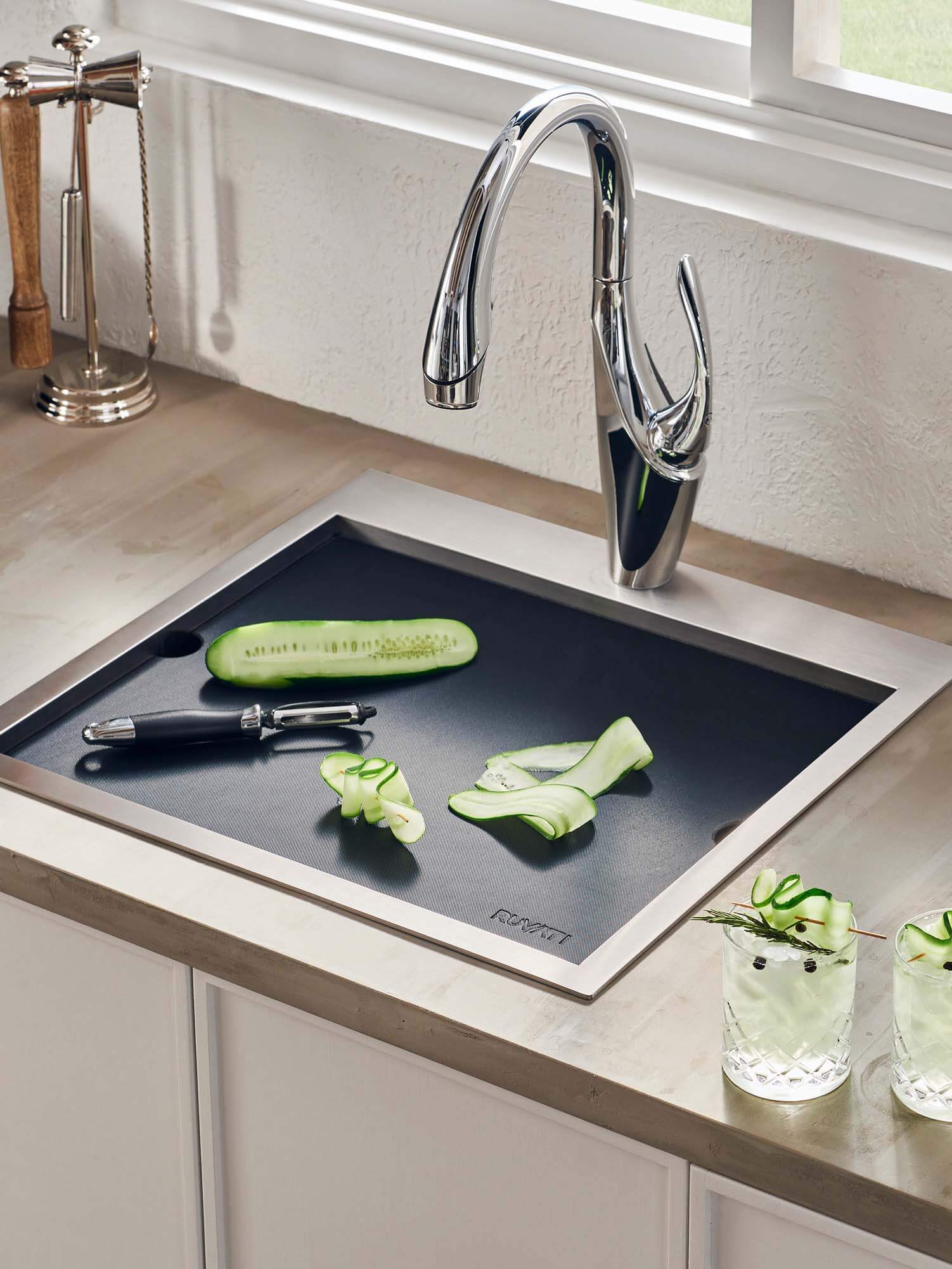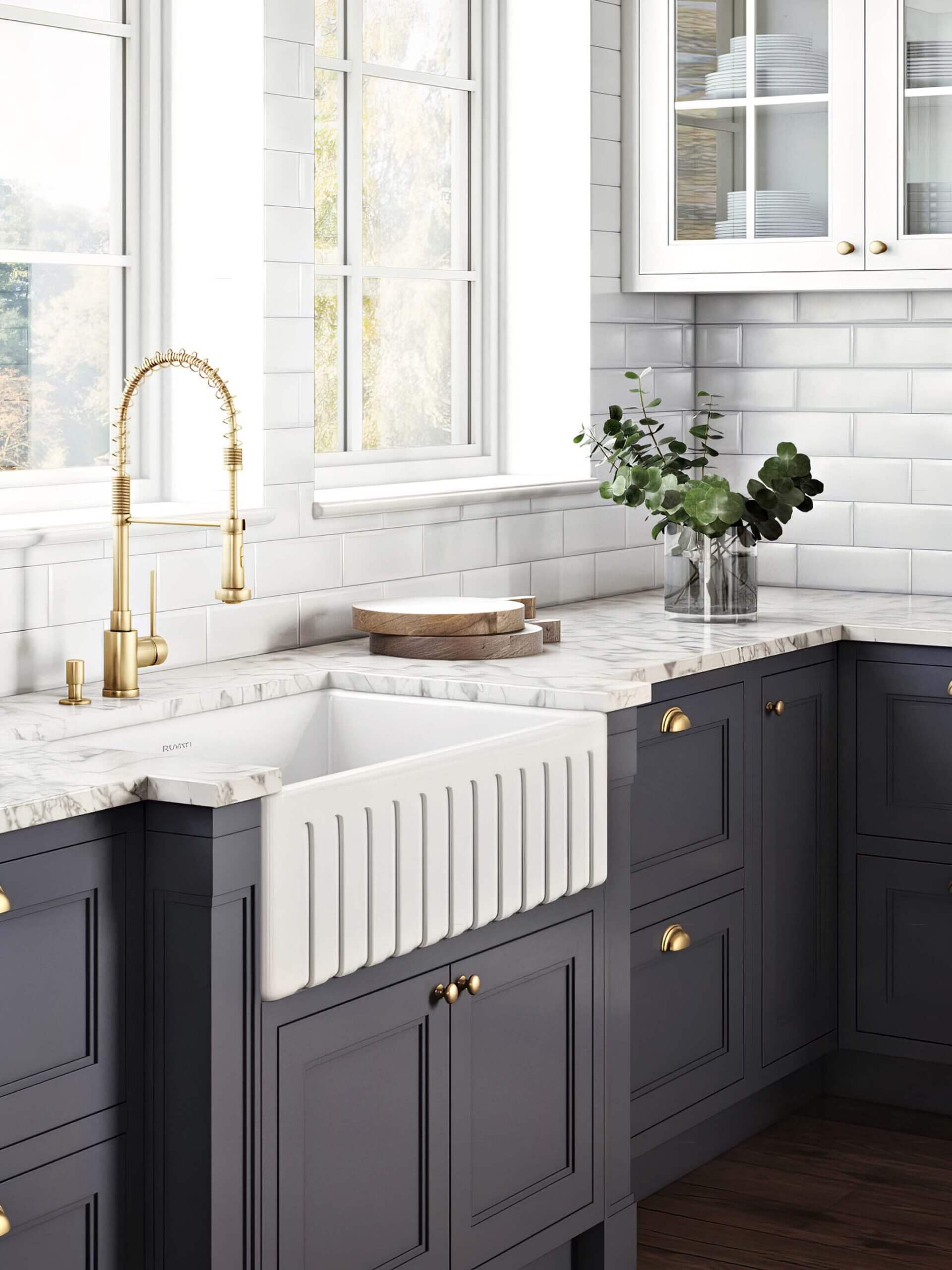

Are you ready to transform your kitchen or bathroom into a stunning showcase of style and functionality? Look no further than Ruvati, your premier destination for high-quality kitchen sinks and wash basins. Whether you’re a culinary enthusiast, a home renovation expert, or simply someone who appreciates the finer details of home design, understanding the nuances between kitchen sinks and wash basins is crucial for creating your perfect space.
In this comprehensive guide, we’ll dive deep into the world of sinks and basins, exploring their unique characteristics, materials, and designs. You’ll discover:
- The key differences between kitchen sink and wash basin
- How to choose the perfect sink for your culinary needs
- Innovative basin designs that elevate your bathroom aesthetics
- Expert tips on installation and maintenance
By the end of this journey, you’ll be equipped with the knowledge to make an informed decision that not only meets your functional requirements but also enhances the overall beauty of your home. Let’s embark on this exciting exploration of kitchen sinks and wash basins, and unlock the potential of your living spaces with Ruvati’s exceptional products.
Understanding Sinks and Wash Basins
What is a Sink?
A sink is a versatile plumbing fixture designed to handle a variety of washing and cleaning tasks. Found in kitchens, bathrooms, and utility areas, sinks are essential for everyday activities such as washing dishes, food preparation, and personal hygiene. Typically, a sink consists of a bowl equipped with a faucet and a drain, making it a central component in any functional space. Sinks come in a range of materials, each offering unique benefits. Stainless steel sinks, for instance, are popular for their durability and ease of maintenance, making them ideal for busy kitchens where washing dishes and food prep are frequent tasks. Other materials like ceramic and granite composite also offer distinct advantages, catering to different aesthetic and functional needs.
What is a Wash Basin?
A wash basin, also known as a wash hand basin, is a plumbing fixture primarily used for personal hygiene in bathrooms or powder rooms. Designed for washing hands, face, and teeth, wash basins are typically smaller and shallower than kitchen sinks. They play a crucial role in bathroom design, often serving as a focal point that combines functionality with style. Wash basins come in various shapes, materials, and installation types, including pedestal basins, wall-mounted basins, and countertop basins. These fixtures are crafted to enhance the aesthetic appeal of bathrooms while providing a convenient space for washing hands and other personal hygiene tasks.
The Fundamental Distinction: Kitchen Sinks vs. Wash Basins
At first glance, the comparison of sink vs wash basin might seem similar, but they serve distinct purposes in your home. Let’s break down their key differences:
- Size and Depth: Kitchen sinks are generally larger and deeper to accommodate dishes and cookware, while wash basins are smaller and shallower for hand-washing.
- Location: Kitchen sinks are installed in kitchens, while wash basins are typically found in bathrooms.
- Materials: Kitchen sinks often use durable materials like stainless steel or granite composite, whereas wash basins are commonly made of ceramic or porcelain.
- Functionality: Kitchen sinks are designed for food preparation and dishwashing, while wash basins focus on personal hygiene tasks.
- Design: Wash basins often emphasize aesthetics and come in various shapes, while kitchen sinks prioritize functionality
Types of Kitchen Sinks
- Top-Mount (Drop-In) Sinks
- Undermount Sinks
- Farmhouse (Apron) Sinks
- Double Basin Sinks
- Single Basin Sinks
- Corner Sinks: Efficiently utilize corner spaces in kitchens, often featuring double basins set at right angles.
Kitchen Sink Features and Benefits
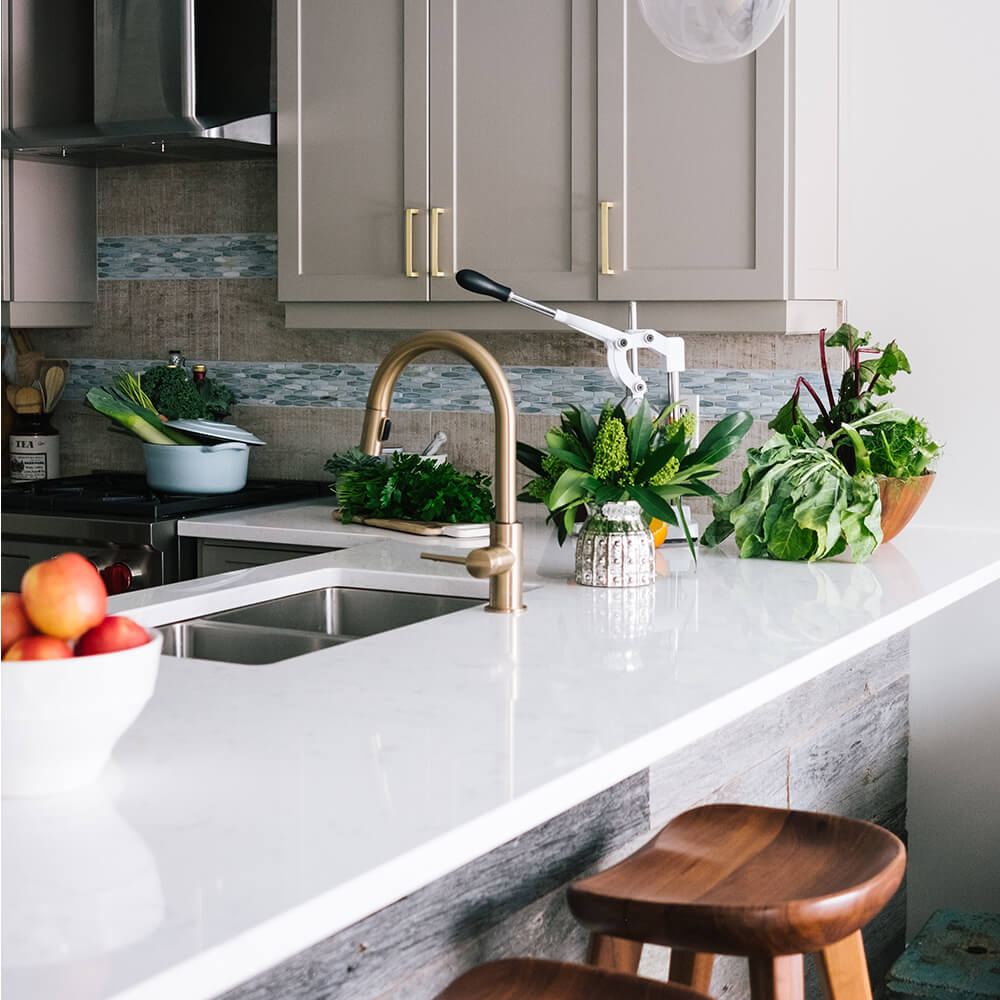
Kitchen sinks are designed to handle large volumes of water and various cleaning tasks, making them indispensable in any culinary space. Typically larger and deeper than wash basins, kitchen sinks come in single or double basin configurations to suit different needs. Some common features of kitchen sinks include:
- Ample Counter Space: Providing plenty of room for food prep and dishwashing, kitchen sinks are designed to maximize efficiency.
- Installation Options: Choose between undermount or top-mount installations to match your kitchen’s style and functionality.
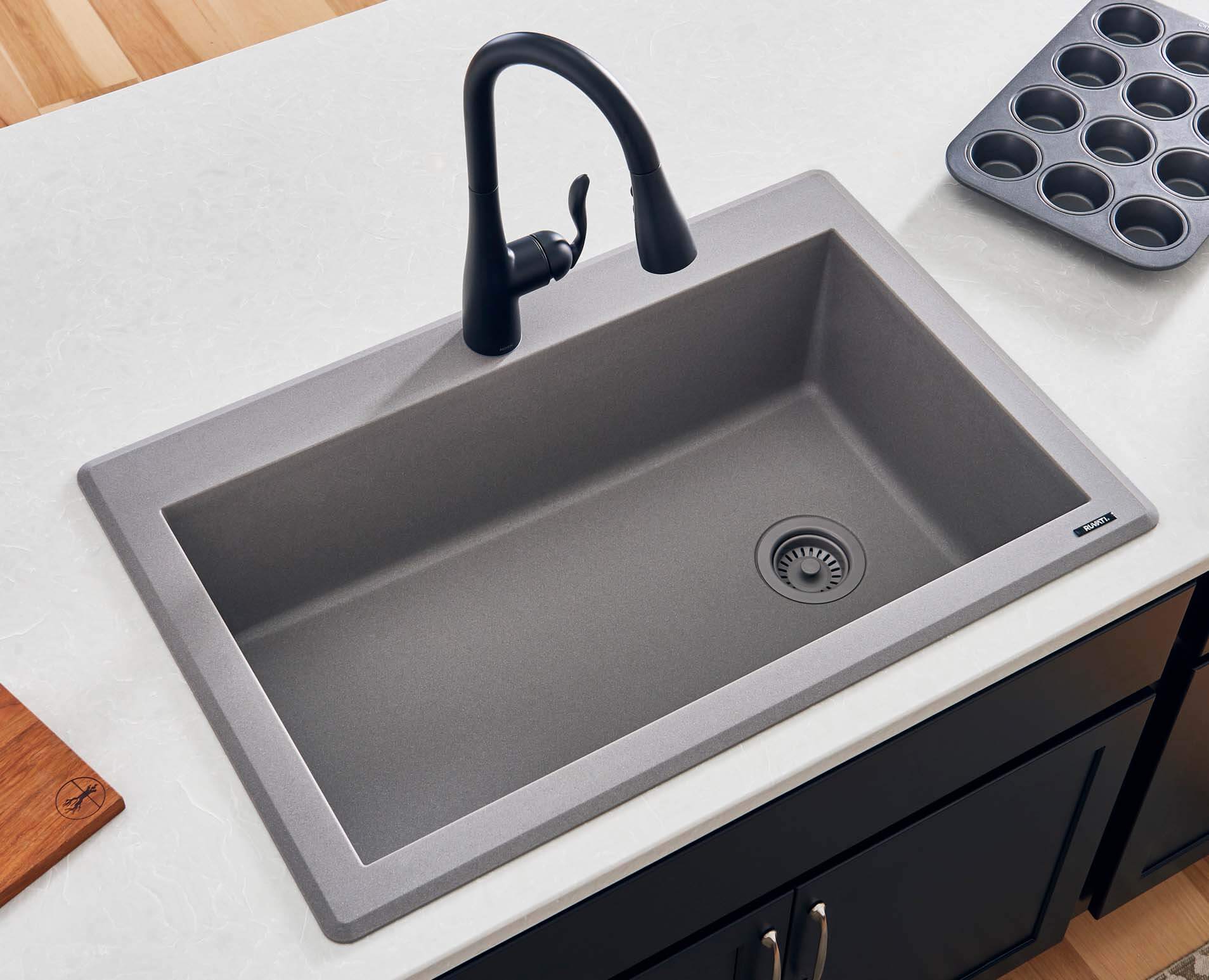
- Material Choices: Available in stainless steel, ceramic, or granite composite, each material offers unique benefits like durability and easy maintenance.
- Basin Configurations: Opt for single or double basin sinks depending on your dishwashing and food prep needs.
- Additional Features: Some kitchen sinks come with drainboards or garbage disposal options for added convenience.
The benefits of kitchen sinks are numerous:
- Convenience and Efficiency: Streamline food preparation and dishwashing tasks with a well-designed kitchen sink.
- Durability: Materials like stainless steel and granite composite resist scratches and stains, ensuring long-lasting use.
- Easy Maintenance: Smooth surfaces and quality materials make cleaning a breeze.
- Aesthetic Appeal: Modern designs and finishes can enhance the overall look of your kitchen, making it both functional and stylish.
Types of Wash Basins
- Pedestal Basins
- Wall-Mounted Basins
- Countertop Basins
- Semi-Recessed Basins
- Vessel Basins
Bathroom Sink Styles and Designs
Bathroom sinks are designed to cater to personal hygiene needs while complementing the overall bathroom decor. They come in various styles and designs to suit different tastes and spaces. Some common types of bathroom sinks include:
- Vessel Sinks: Mounted on top of the countertop, vessel sinks create a unique and stylish look that can serve as a bathroom’s centerpiece.
- Undermount Sinks: Installed under the countertop, these sinks provide a sleek and modern appearance, making cleaning the counter easier.
- Pedestal Sinks: Mounted on a pedestal, these sinks offer a classic and elegant look, ideal for traditional bathroom designs.
- Wall-Mounted Sinks: Attached directly to the wall, these sinks save floor space and create a modern, open feel, perfect for smaller bathrooms or powder rooms.
Bathroom sinks are typically made from materials like ceramic, glass, or stone, each offering different aesthetic and functional benefits. They come in various shapes and sizes to fit different bathroom layouts and often feature a single faucet hole and a drain. Additional features such as soap dispensers or toothbrush holders can further enhance their functionality and convenience.
By understanding the different styles and designs of bathroom sinks, you can choose the perfect fixture that not only meets your personal hygiene needs but also elevates the overall aesthetic of your bathroom.
Choosing the Best Material for Your Kitchen Sink Or Wash Basin
When choosing fixtures for your kitchen or bathroom, understanding the differences between kitchen sink and wash basin materials is vital to what you will use the basin for. Some materials, while aesthetically pleasing, won’t hold up to a busy household that requires touch materials. The following chart compares common materials used for both, highlighting their key characteristics, pros, and cons. This comparison will help you make an informed decision based on your specific needs, whether you’re looking for durability, aesthetics, or ease of maintenance in your kitchen or bathroom.
| Material | Kitchen Sink | Wash Basin |
| Stainless Steel | Pros: Durable, affordable, easy to clean, heat-resistant Cons: Can be noisy, shows water spots |
Pros: Modern look, corrosion-resistant Cons: Can show water spots, may not suit all bathroom styles |
| Ceramic/Porcelain | Pros: Affordable, easy to clean, stain-resistant Cons: Can chip or crack, not suitable for heavy use |
Pros: Classic look, easy to clean, stain-resistant Cons: Can chip or crack, may develop surface cracks over time |
| Granite Composite | Pros: Durable, heat-resistant, scratch-resistant Cons: Can be expensive, limited color options |
Not commonly used for wash basins |
| Fireclay | Pros: Durable, stain-resistant, heat-resistant Cons: Heavy, can be expensive |
Not commonly used for wash basins |
| Glass | Not commonly used for kitchen sinks | Pros: Modern look, variety of designs Cons: Prone to water spots, can be fragile |
| Copper | Pros: Unique look, antimicrobial Cons: Requires maintenance, expensive |
Not commonly used for wash basins |
| Cast Iron | Pros: Durable, retains heat, classic look Cons: Very heavy, can chip if enamel is damaged |
Not commonly used for wash basins |
| Acrylic | Not commonly used for kitchen sinks | Pros: Lightweight, affordable, variety of designs Cons: Less durable, can scratch easily |
| Stone (e.g., marble, epigranite) | Pros: Luxurious look, unique patterns Cons: Expensive, requires maintenance |
Pros: Luxurious look, unique patterns Cons: Expensive, requires maintenance, can stain |
This chart highlights that while some materials like stainless steel and ceramic are common for both kitchen sinks and wash basins, others are more specialized. Kitchen sinks often prioritize durability and heat resistance, while wash basins may focus more on aesthetics and lightweight designs. Consider your specific needs, budget, and style preferences when making your selection.
Choosing Between Kitchen Sinks and Wash Basins
Consider these factors when making your decision:
- Intended Use: Kitchen sinks for cooking and cleaning, wash basins for personal hygiene.
- Available Space: Kitchen sinks require more space than wash basins.
- Design Preferences: Wash basins offer more aesthetic variety.
- Durability Needs: Kitchen sinks typically use more durable materials for heavy use.
Installation Considerations
Kitchen Sinks:
- Often require professional installation due to their size, weight, and complexity.
- May necessitate custom cabinetry modifications or reinforcement.
- Installation typically takes 1.5 to 2 hours for professionals.
- Costs for professional installation range from $500 – $2,000 on average.
- DIY installation is possible for simple replacements but requires plumbing knowledge and proper tools.
Wash Basins:
- Offer more flexibility in installation options, including wall-mounted designs.
- Can be simpler to install, with some models being DIY-friendly.
- Wall-mounted options maximize floor space and create an open feel.
- Installation complexity varies based on the type (e.g., pedestal, countertop, or vessel).
- May require special considerations for plumbing and support, especially for wall-mounted designs
Maintenance Tips
Kitchen Sinks:
- Clean regularly to prevent food residue and grease buildup.
- Use a mixture of baking soda and vinegar for natural, effective cleaning.
- For stainless steel sinks, consider products like Bar Keepers Friend for deep cleaning.
- Dry the sink after each use to prevent water spots and maintain shine.
- Use a sink grid to protect the surface from scratches.
Wash Basins:
- Use gentle cleaners, especially for glass or stone materials, to avoid damage.
- For daily cleaning, use mild soap and warm water.
- Address spills immediately to prevent staining, especially on natural stone.
- Consider periodic sealing for stone basins to maintain their appearance and durability.
- Use microfiber cloths for cleaning and drying to prevent scratches.
Ruvati offers several care and cleaning guides to help your sink remain functional and showroom ready. You can view our list of cleaning guides here.
Additional Considerations
- Choose materials based on durability, maintenance requirements, and aesthetic preferences.
- Consider the sink or basin’s compatibility with existing plumbing and countertops.
- For kitchen sinks, think about noise reduction features, especially for stainless steel options.
- In bathrooms, consider the basin’s size and style in relation to the overall space and design.
- For both kitchen sinks and wash basins, ensure proper water drainage to prevent standing water.
Whether opting for a professional installation or a DIY approach, proper care and maintenance will extend the life and preserve the beauty of their chosen fixture.
Elevate Your Home with Ruvati: The Perfect Sink for Every Space
As we conclude our comprehensive guide on kitchen sinks and wash basins, it’s clear that choosing the right fixture is crucial for both functionality and aesthetics in your home. Ruvati understands this balance perfectly, offering a wide range of high-quality sinks and basins designed to meet every need and style preference.
Why Choose Ruvati?
- Unparalleled Quality: Our sinks and basins are crafted from premium materials, ensuring durability and longevity.
- Innovative Designs: From sleek undermount kitchen sinks to elegant vessel bathroom basins, Ruvati offers cutting-edge styles.
- Expert Craftsmanship: Each product is meticulously engineered for optimal performance and ease of use.
- Versatile Options: Whether you’re outfitting a gourmet kitchen or a luxurious bathroom, Ruvati has the perfect solution.
Take Action Today
Ready to transform your kitchen or bathroom? Here’s how to get started:
- Explore Our Collection: Visit Ruvati’s website to browse our extensive range of kitchen sinks and wash basins.
- Get Expert Advice: Our customer service team is ready to answer your questions and guide you to the perfect choice.
- Visualize Your Space: Use our online tools to see how Ruvati products will look in your home.
- Easy Installation: Whether you choose professional installation or DIY, Ruvati products are designed for hassle-free setup.
Don’t settle for ordinary when you can have extraordinary. Elevate your home with Ruvati’s premium kitchen sinks and wash basins. Experience the perfect blend of form and function that only Ruvati can deliver.
Transform Your Space Today with Ruvati – Where Quality Meets Style!
FAQs
Can you use a kitchen sink as a wash basin?
While possible, it’s not recommended due to size differences and specific design purposes.
Which is better for home use: kitchen sink or wash basin?
It depends on the location and intended use. Kitchen sinks are best for kitchens, while wash basins are ideal for bathrooms
How do I choose between a kitchen sink and wash basin?
Consider the room, intended use, available space, and design preferences. Kitchen sinks are for kitchens, wash basins for bathrooms.
What’s the best sink material for home use?
Stainless steel and granite composite are popular choices for durability and easy maintenance.