
Introduction
In this post, we’re going to talk about a particular type of sink known for its modern and aesthetic design and easy installation: the vessel sink. Let’s dive in and check out all there is about these sinks. Starting, of course, with understanding what they are.
What Is a Vessel Sink?
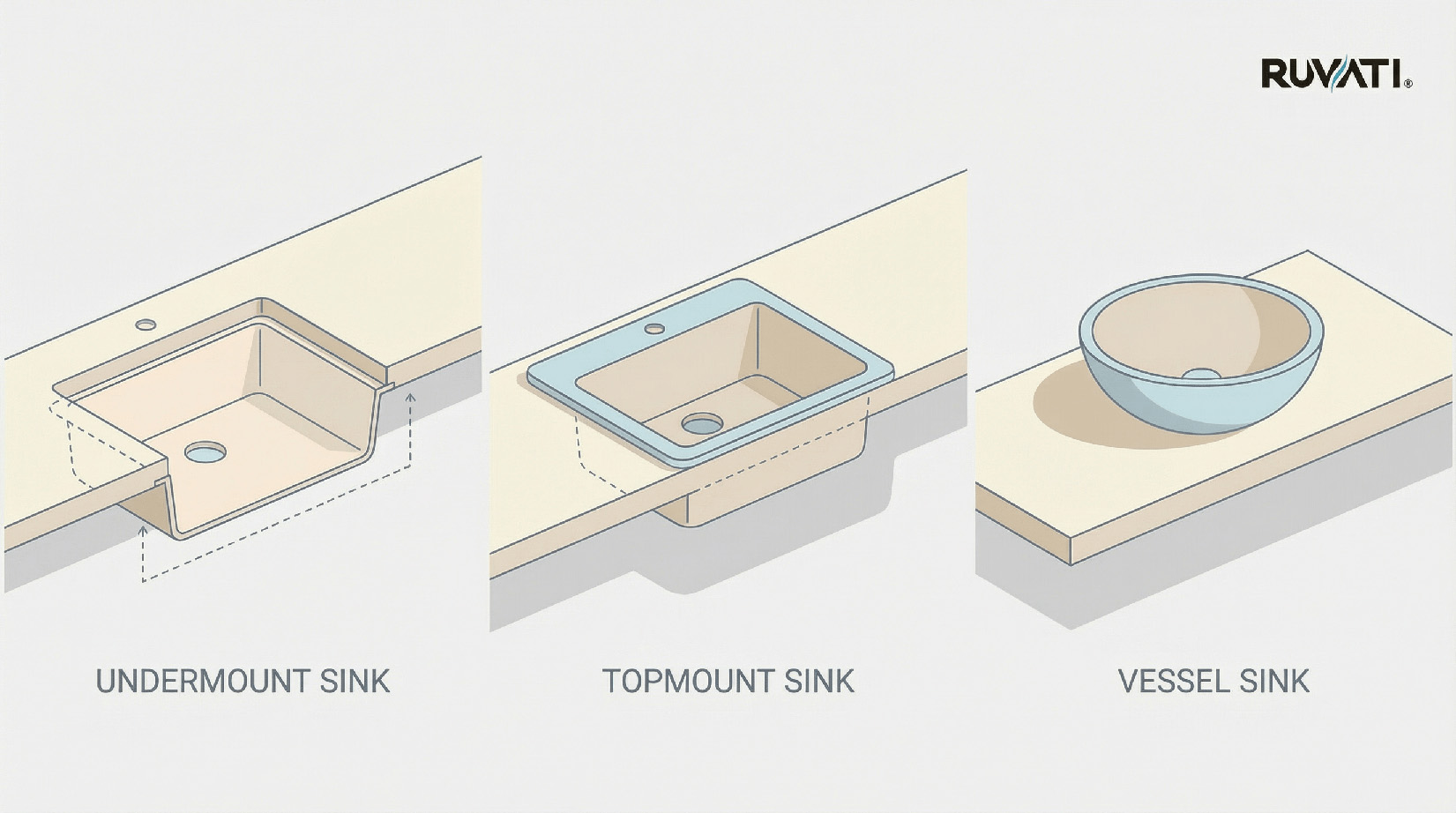
A vessel sink is also known as a bowl sink. It is made to sit on top of the countertop rather than underneath it, as is the case with normal sinks.
There are different types of installations in conventional sinks, such as top mount and bottom mount. However, both of these involve the sink going below the counter’s surface.
On the other hand, vessel sinks are installed wholly on top of the countertop. The sides of the bowl are all visible.
Pros/Benefits of a Vessel Sink
Let’s talk about the benefits of these sinks.
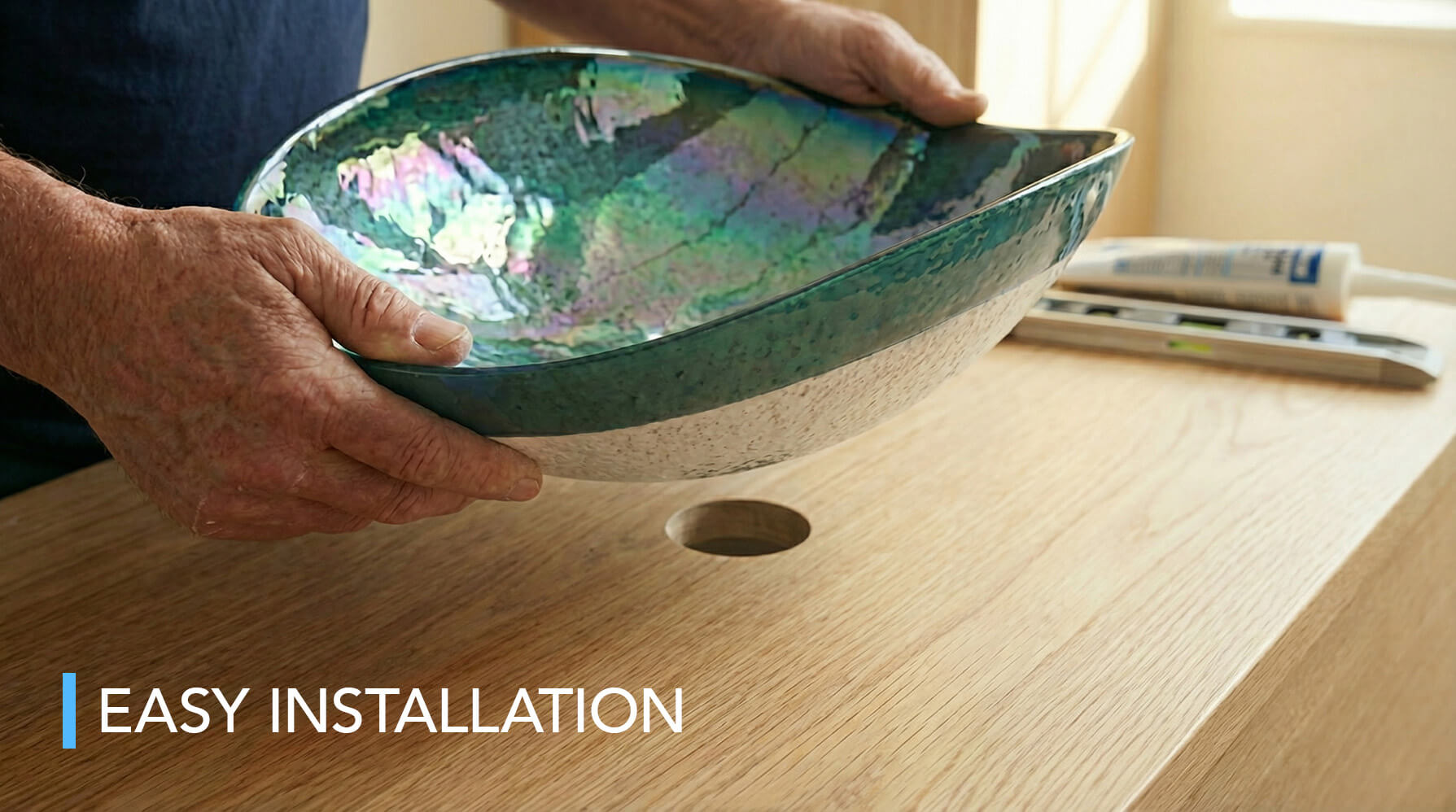
- First of all, vessel sinks are very easy to install. Unlike normal sinks, which require you to access the underside of the vanity/countertop, vessel sinks are essentially placed on top and then fixed in place along with the drain assembly.
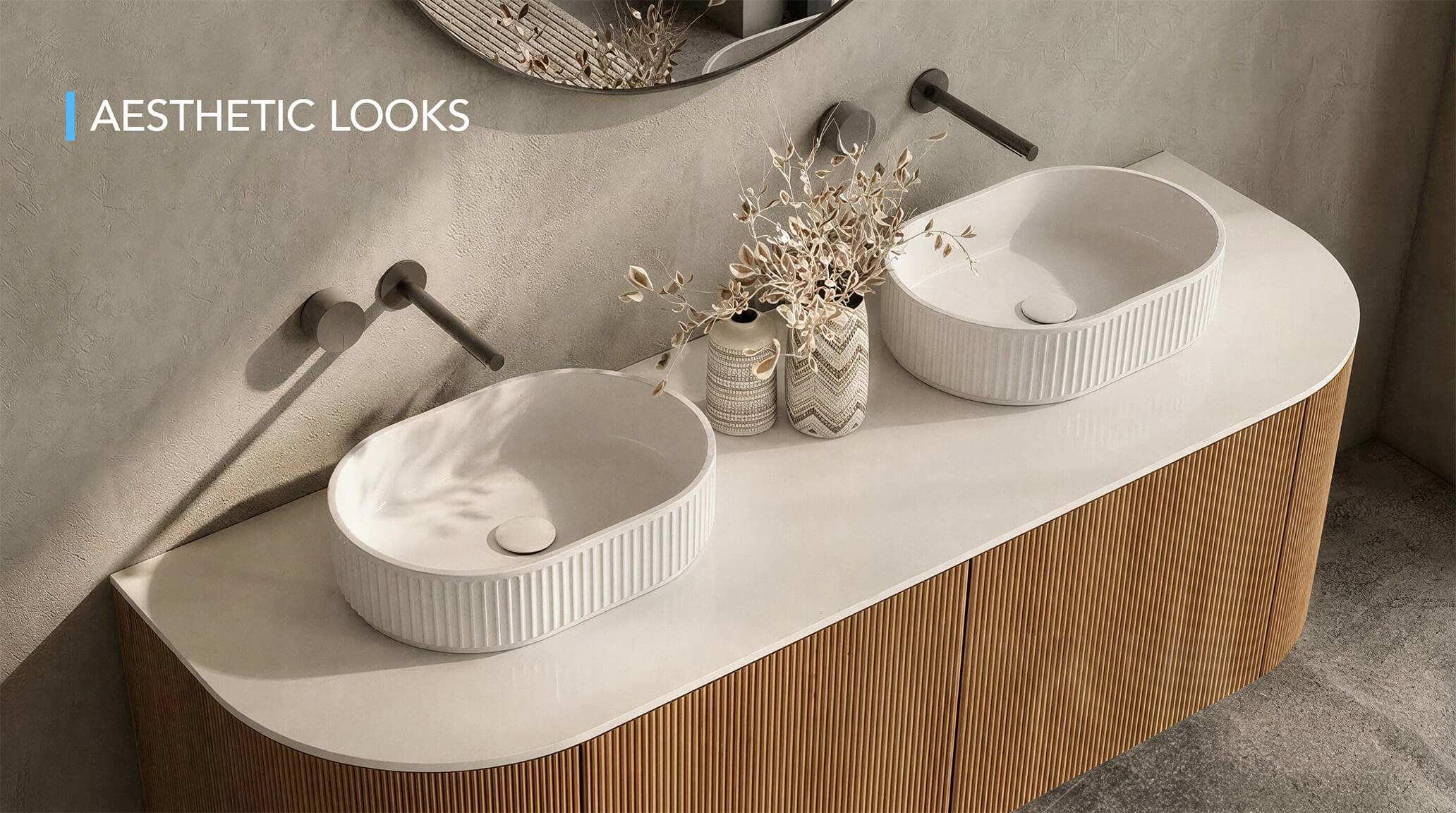
- Secondly, vessel sinks look great. They have a sleek and modern aesthetic that can change the way the bathroom/kitchen looks, completely on its own. Most people buy these sinks for the way they look.
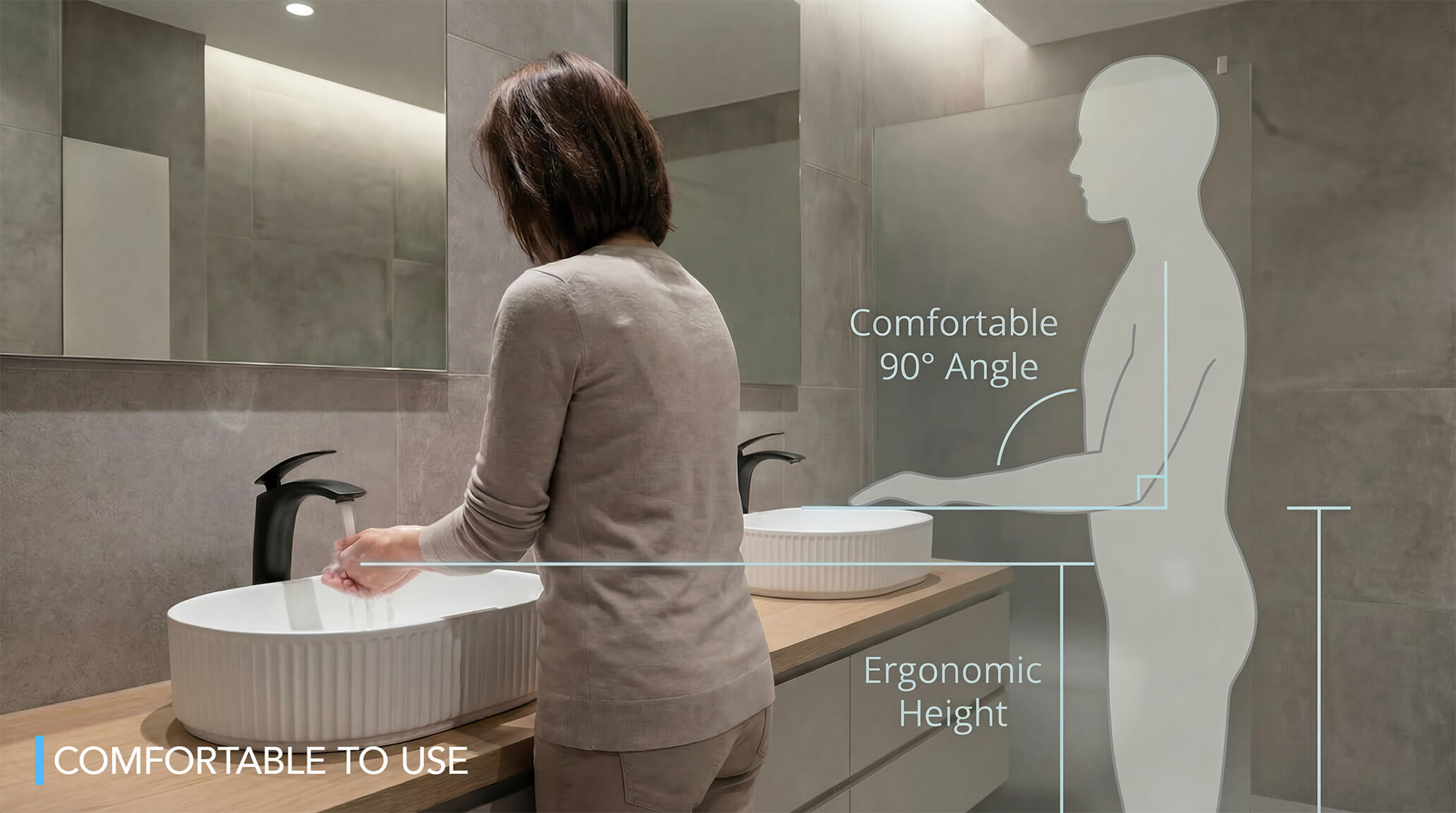
- Thirdly, vessel sinks can be more ergonomic and comfortable to use. Most countertops and vanities have a height of around 32 to 34 inches, which brings them up to around the thigh of an average-height person. For washing hands (and doing other stuff on the sink), the natural position is for the elbows to be bent at an almost 90° angle. A vessel sink raises the usable surface a little and allows this natural position to form more easily.
- Last but not least, vessel sinks offer a lot of versatility. There are many different designs and styles that you can pick from without worrying about whether or not they will fit on the countertop/vanity. Since the sinks are simply placed on top, there are no considerations of the cutout dimensions or the space underneath the counter, etc.
Cons/Downsides of a Vessel Sink
Now let’s talk about the downsides of these sinks. Although they are not as numerous as the upsides, they are still worth considering
- Vessel sinks can be expensive. One of their biggest cons is their (usually) hefty price tag.
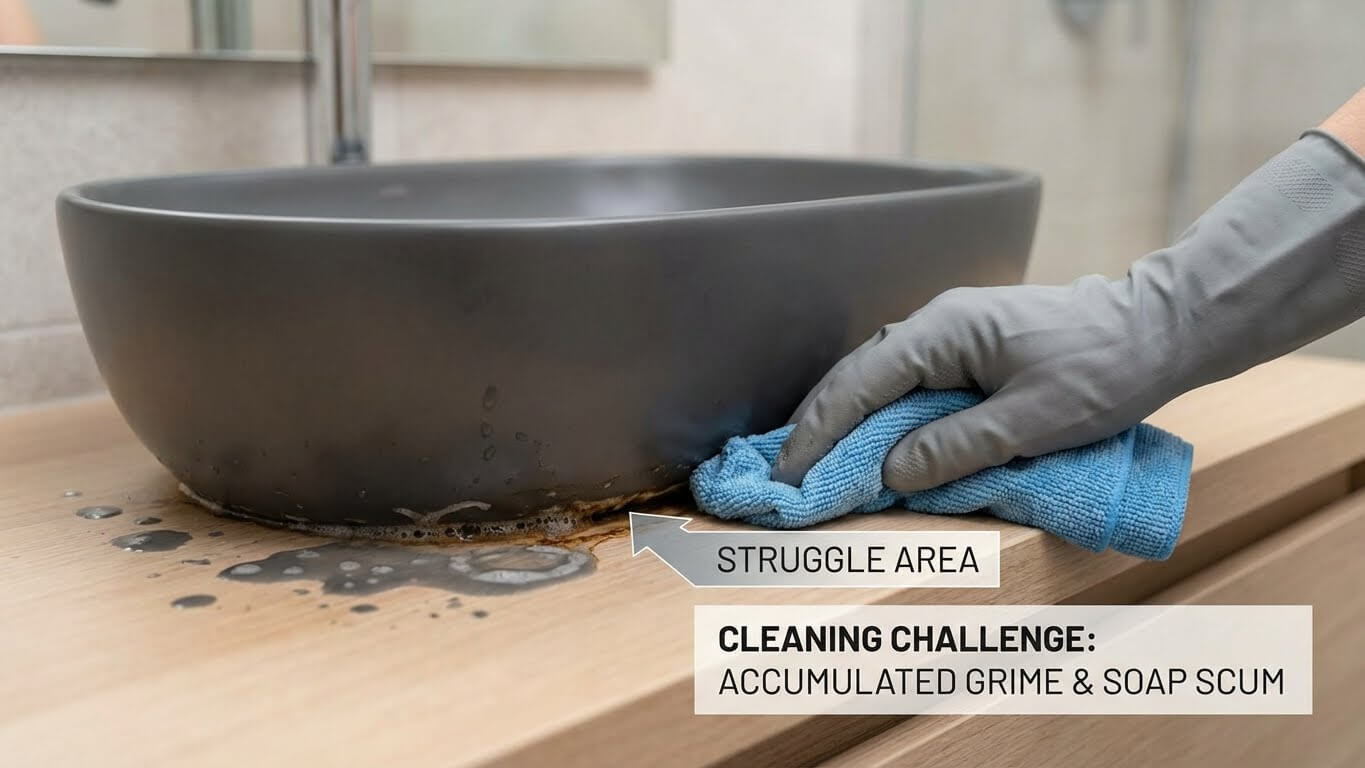
- Maintenance and cleaning are also a bit difficult with vessel sinks. With normal sinks, you can put off the cleaning session for the underside since it’s not visible. However, there is no such option for vessel sinks. Whatever grime/dirt they hold on to is on full display, and you have to promptly take care of it.
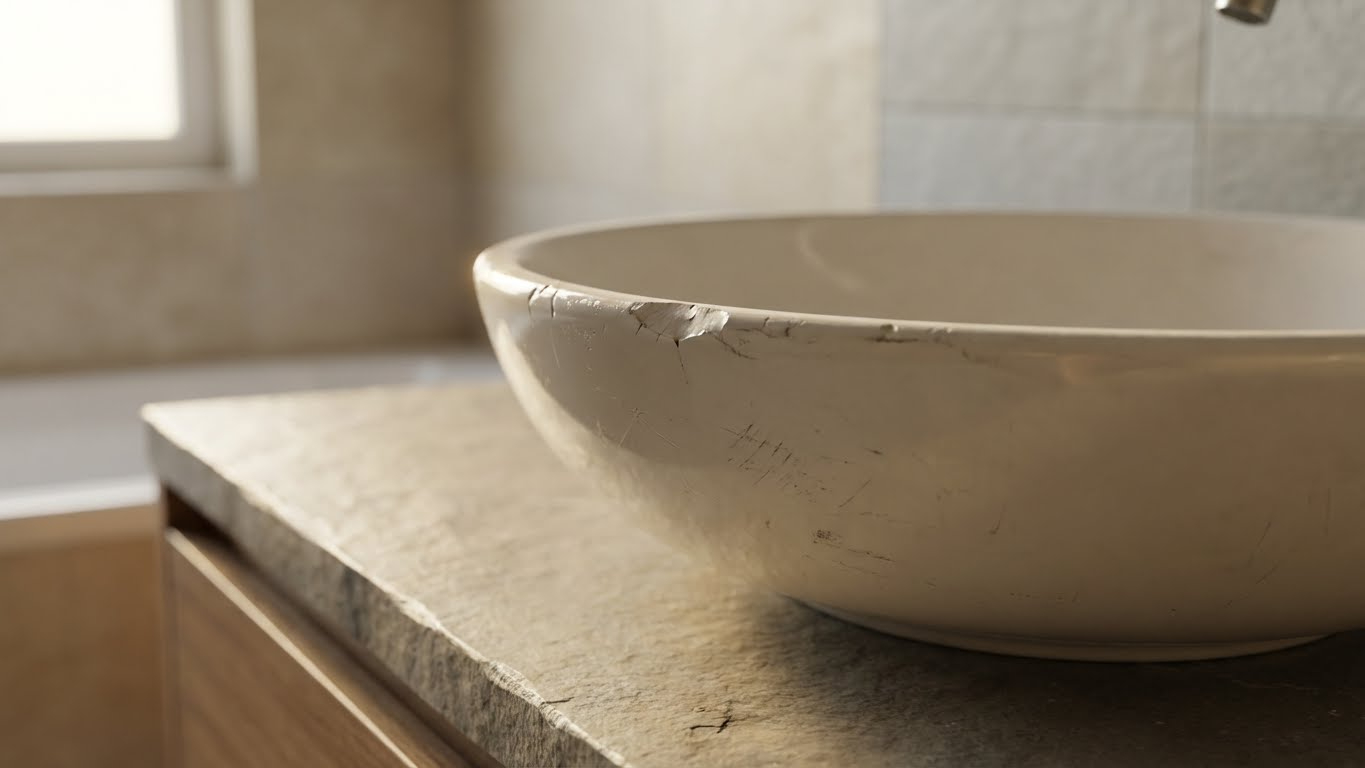
- Another downside of vessel sinks is that they have a higher risk of getting damaged due to their exposed nature. They can get chipped and scratched on the sides with sudden impact. In a normal sink, the sides are all covered under the counter, and the bowl is all that you have to worry about.

Shapes and Sizes of Vessel Sinks
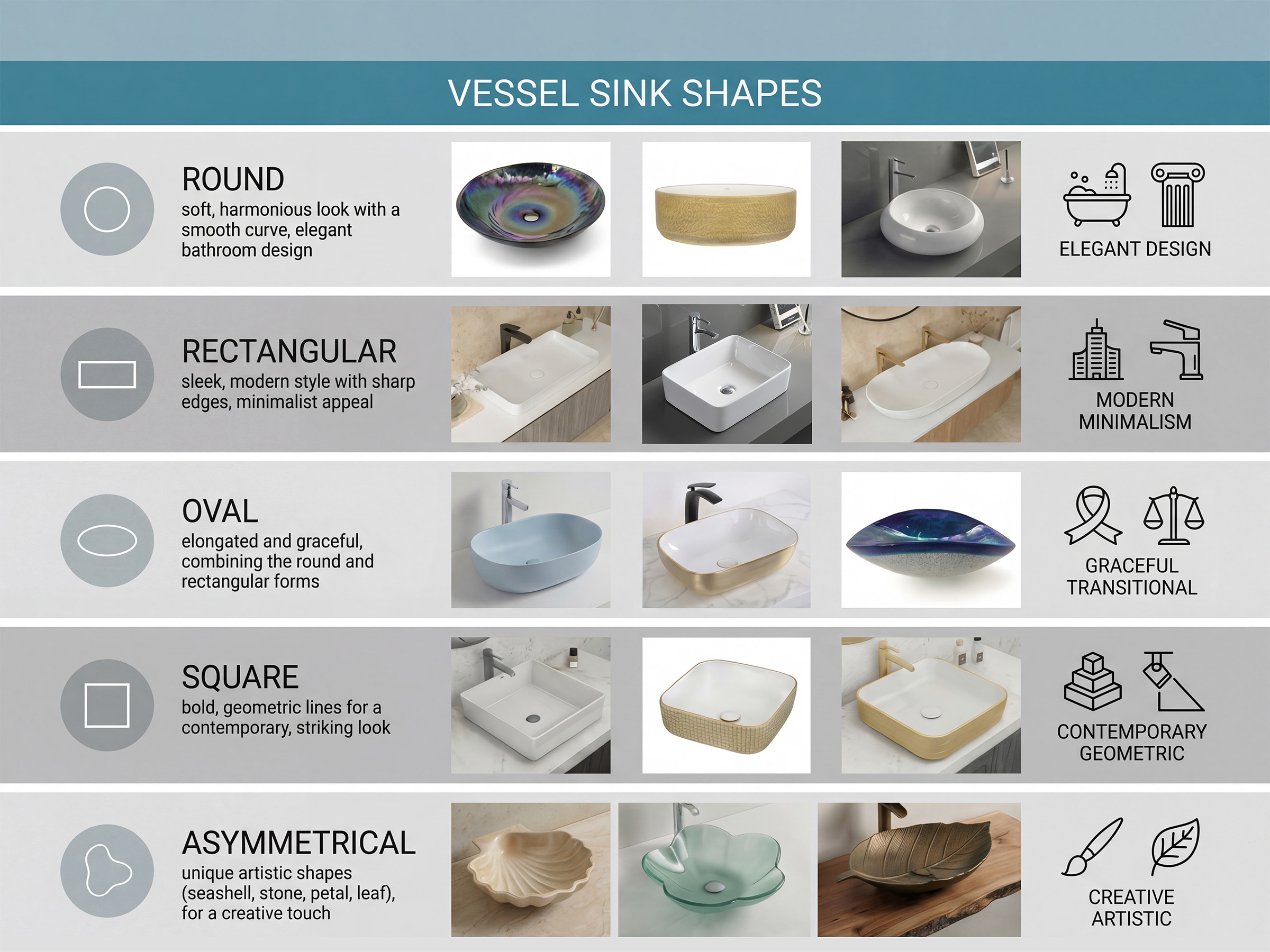
Vessel sinks come in an array of shapes to suit any bathroom style:
- Round: The most common shape, perfect for creating a soft, harmonious look.
- Rectangular: Ideal for modern, minimalist bathrooms.
- Oval: A balance between round and rectangular, offering a gentle, elongated form.
- Square: Bold and geometric, great for contemporary spaces.
- Asymmetrical: For those seeking a truly unique, artistic touch. This type can include seashell shapes, stone-like shapes, petal or leaf-shaped, etc.
Sizes range from compact models perfect for powder rooms to large, statement pieces for master bathrooms. The versatility in size makes vessel sinks adaptable to various bathroom layouts.
Common Materials/Finishes of Vessel Sinks
Vessel sinks are usually available in a number of different finishes and materials. Here is a list that describes the common finishes/materials:
- Glass: Glass vessel sinks can be clear, frosted, or tinted. They give off a delicate and majestic look when installed.
- Ceramic: Ceramic vessel sinks have a smooth, timeless look. You can buy them in the simple, iconic white color or one with a fancy printed design. This material offers many choices in terms of design and patterns.
- Granite: Granite vessel sinks are heavy and durable. They can give a great look to your bathroom/kitchen with their formidable construction.
- Copper: Copper vessel sinks are durable, elegant, and have natural antimicrobial properties.
- Concrete: Like granite, concrete sinks are hefty and durable.
- Bamboo: Bamboo vessel sinks can look great in rustic kitchens and wood-themed bathrooms. They can add a touch of coziness to the place while offering excellent functionality.
Installation Types for Vessel Sinks
Vessel sinks are installed in two main ways: above-counter or semi-recessed.
- Above-counter: Above-counter installation is the common and standard method used for vessel sinks. In this method, the entire sink sits above the counter.
- Semi-recessed: In a semi-recessed installation, a small portion of the sink (at the bottom of the bowl) is recessed into the countertop. This can be done to lower the sink a little bit or simply to make it aesthetic.

Budget Considerations
As we mentioned earlier, these sinks can be more expensive than normal ones due to their stylish design and appearance.
Other than the sink itself being expensive, there are various costs that you should keep in mind to set your budget:
- Modifications to the counter/vanity: If you are replacing a normal sink with a vessel sink, you have to keep in mind that the counter/vanity will have to be modified. This will incur a separate cost.
- Faucets: Not all faucets are compatible with a vessel sink. The latter can require certain types of faucets depending on their design and construction. In fact, vessel sink faucets have a category of their own. If you have a wall-mounted faucet already installed, you’ll have to replace it.
What to Consider When Buying a Vessel Sink
When buying a vessel sink, here are some factors that you should consider:
Size
One of the most important things to consider when buying a sink is the size. You should choose a size that is sufficient for your day-to-day needs.
For example, if you’re buying a sink for a small bathroom with minimal use, a compact size can be just fine. On the other hand, a bigger and busier bathroom would need a bigger sink. That way, there will be plenty of room to do something as simple as brushing your teeth or something a bit messier like dyeing your hair.
You should also make sure that the size you pick fits the space you have available.
Material
Consider which materials suit your needs and preferences the best. There are quite a few, as we mentioned earlier, including granite, glass, ceramic, etc. Pick the material that gives you the functional usability you need and the aesthetic you desire. Here is a table that briefly lists each of the materials along with their benefits and downsides.
| Material | Pros | Cons |
|---|---|---|
| Glass | Sleek, modern look | Wide color/style options | Easy to clean | Prone to scratches and cracks | Fingerprints show | Fragile |
| Ceramic | Classic and versatile | Durable | Stain-resistant | Can chip or crack | Heavy | Limited modern styles |
| Granite | Luxurious, natural look | Very durable | Heat & scratch-resistant | Expensive | Heavy | Requires sealing |
| Copper | Antimicrobial | Develops unique patina over time | Warm look | Requires maintenance to prevent tarnish | Can dent | Reacts with acidic water |
| Concrete | Customizable shape/color | Industrial aesthetic | Very sturdy | Porous (needs sealing) | Can stain | Heavy | Cold to touch |
| Bamboo | Eco-friendly | Warm/natural look | Lightweight | Can warp with moisture | Less durable | Needs sealing and care |
Appearance
Even when you’ve chosen a particular material, there are other aspects of the appearance that you need to consider. For example, the color and shape.
Buy a color that fits the existing theme and aesthetic of your kitchen/bathroom. This will help to make the sink fit right in and not stand out as an obvious addition/replacement.
In the same way, make sure that the shape of the sink complements the other design elements in the room. Go for an oval sink if the counter edges, mirrors, etc., have a similar egg-like shape. If everything is square and straight-cut, go with a square-shaped vessel sink instead.
A particular sink can look great in the product pictures or when you’re looking at it in the store. However, it’s important to keep in mind how it will look once it is installed in your bathroom or kitchen.
Vessel Sink Options by Ruvati
Let’s take a look at some of the vessel sink options that you have when buying from Ruvati.
1. Vista by Ruvati
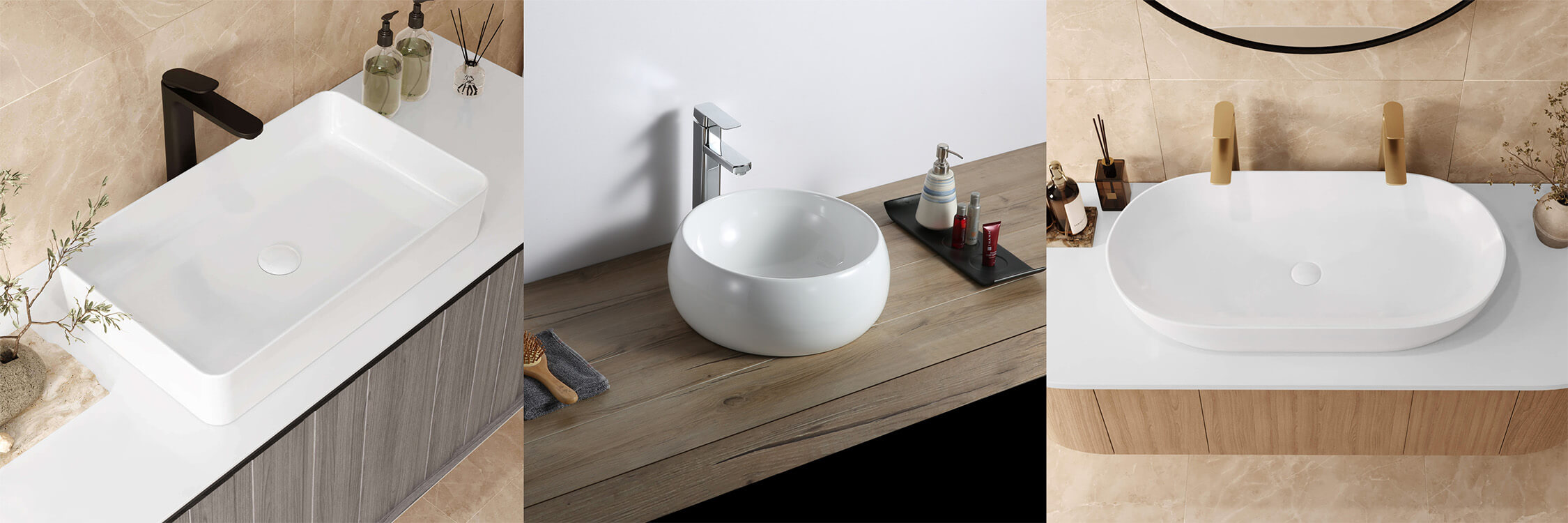
Vista is one of Ruvati’s vessel sink series. There are many differently-shaped and differently-sized vessel sinks in this series that you can pick from as per your needs and preferences.
Some of the products that you can buy include:
- Vista 12-inch round vessel sink (ideal for small bathrooms)
- Vista 24-inch Rectangular vessel sink
- Vista 32-inch wide oval vessel sink
Made of porcelain ceramic, these sinks offer a silky smooth appearance and have a very durable construction.
2. Pietra by Ruvati
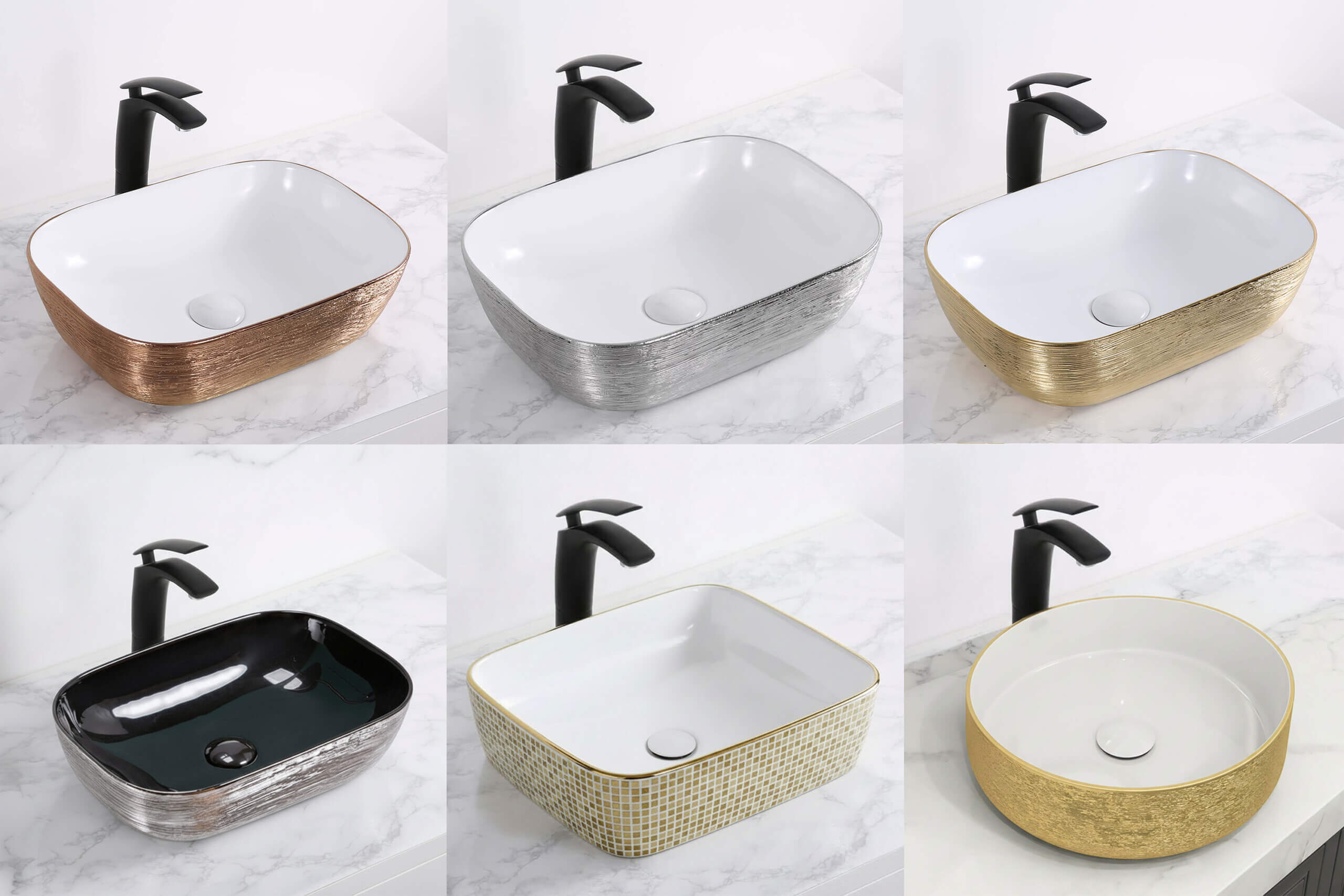
The Pietra vessel sinks are identified by the elegant gold decorative art on the outside of the sink bowl. Available in different shapes and colors, this series gives you a lot of options to pick from.
The Pietra vessel sinks are made with white ceramic, ensuring a smooth feel and appearance coupled with durability. Due to their fancy and elaborate designs, these vessel sinks are ideal for modern, high-end bathrooms.
3. Murano by Ruvati
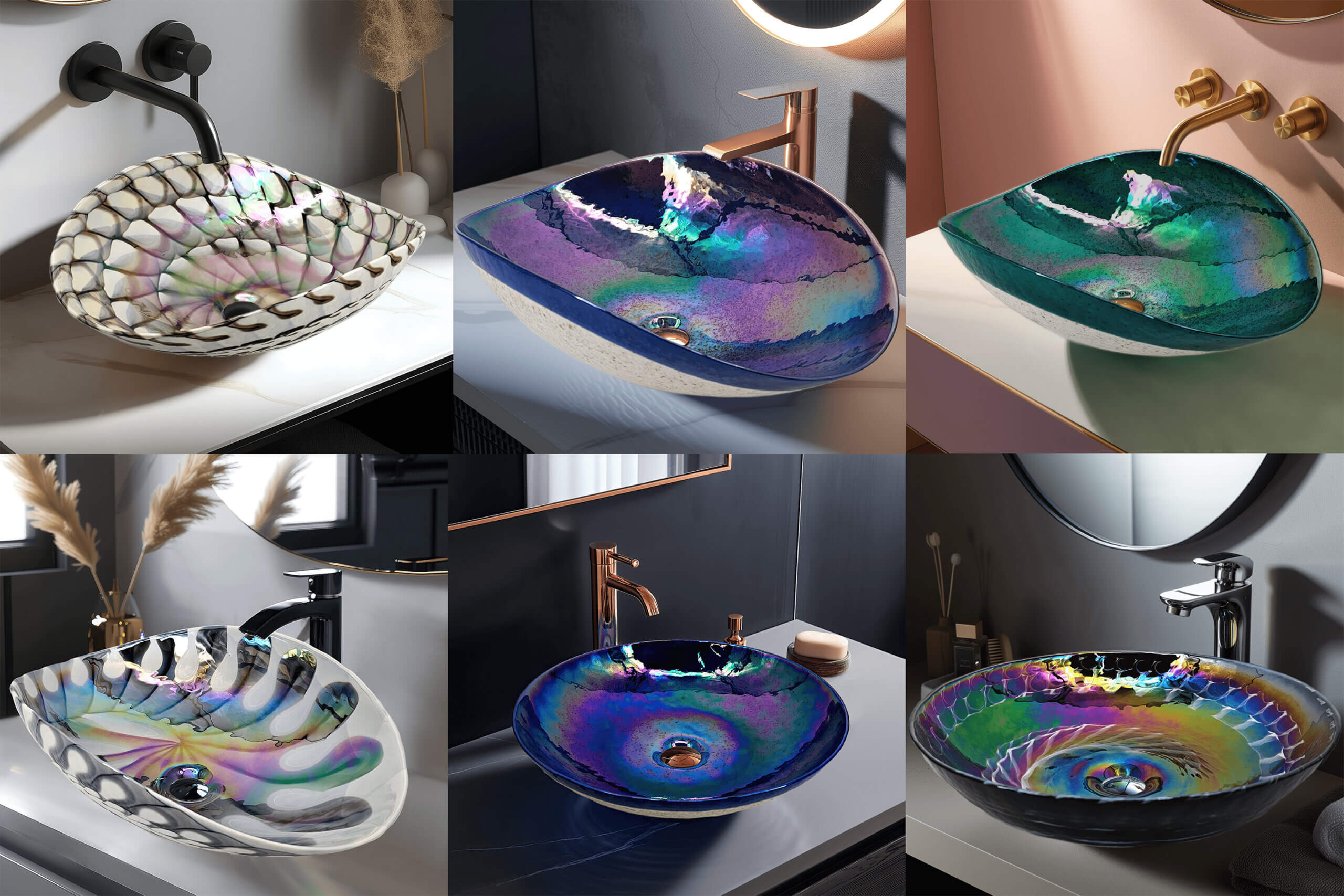
The Murano series comes in a number of beautiful colors and shapes. If you like asymmetrical sinks, you can pick the seashell shape with its elegantly curved design. If you like to stay symmetrical, the circle shape is also available.
The color options in the Murano series include Nautilus Brown, Cosmic Black, Chestnut Brown, and Celestial Blue, among others. Each color has its own special look, and you can pick the one that suits your bathroom’s existing theme the best.It doesn’t matter how big or small your bathroom is. You can find a suitable size for it in this series.
4. Canali by Ruvati
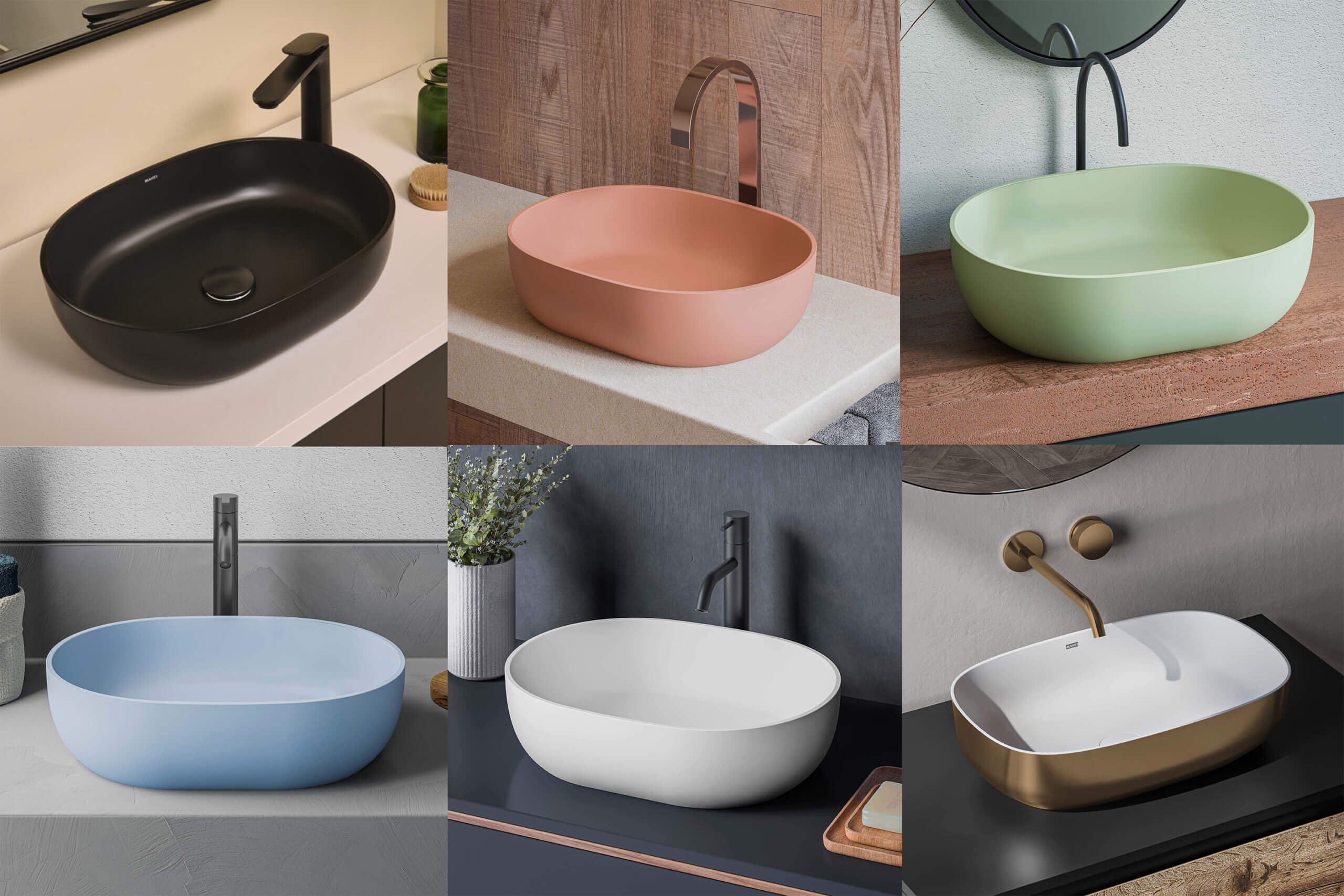
Ruvati delivers a new shade of modernity with the release of their Canali bathroom sink collection constructed of epiStone material. Made in Italy, epiStone is developed using state-of-the-art technology to achieve exceptional strength and beauty for the bathroom space. It is composed of 70% crushed minerals and natural stone bonded with a proprietary resin that gives the material its strength and durability. Naturally beautiful with a look similar to real stone, the epiStone material presents a luxurious satin finish that is silky to the touch. EpiStone bathroom sinks from Ruvati feature a modern vessel shape and bold color options that are bound to draw the eye. The matte black and stylish white epiStone sinks offer a twist on tradition and appear much sleeker and more contemporary than traditional porcelain bathroom sinks. Looking for something even more unique? Ruvati epiStone sinks are also available in eye-catching colors like a light pink called Sedona Clay, Avocado Lime Green, and Pacific Blue.
Wrapping Up
We hope you enjoyed reading this guide on vessel sinks.
To recap…
Vessel sinks are defined by their unique construction and above-counter installation. These sinks are a great option for modern bathrooms and kitchens. They enhance ease of use and are known for their versatile design options.
We’ve covered a number of aspects about these sinks in the post above, including their pros and cons, price considerations, faucet considerations, and factors to keep in mind when purchasing one.
Be sure to check out our collection of Ruvati sinks if you’re planning a purchase for your next renovation/remodel!