
A well-functioning P-trap is essential for preventing sewer gases, clogs, and leaks in your kitchen sink or bathroom sink. This guide combines sink trap replacement steps, sizing tips, and stainless steel sink care to empower DIYers and home renovators.
P Trap Installation: Why Replace a Sink Trap?
Common Reasons for P-trap Replacement Include:
Recognizing when your P-trap requires replacement is crucial for maintaining a functional and hygienic plumbing system. Here are the key indicators that it’s time to replace your P-trap:
- Persistent Odors: Foul sewer or musty odors emanating from your drains are a clear sign that your P-trap may no longer be effectively sealing against sewer gases. If you detect a smell similar to rotten eggs near the P-trap, it could indicate the presence of hydrogen sulfide, suggesting a malfunctioning trap.
- Visible Leaks: Water spots, puddles, or consistent moisture under the sink where the P-trap is located indicate that the trap is leaking and needs replacement. This is especially common in older metal P-traps that have corroded over time.
- Corrosion and Rust: For metal P-traps, visible signs of rust or corrosion are clear indicators that the trap is deteriorating and may soon lead to leaks. This is one of the most common reasons older P-traps need replacement.
- Slow Drainage or Frequent Clogs: If you’re experiencing recurrent clogs or slow drainage that isn’t resolved by normal cleaning methods, it could be due to issues with the P-trap’s design or condition. P-traps can often clear clogs that form within the trap itself or in the branch drain leading into the wall.
- Visible Damage: Cracks, even small ones, in the P-trap can lead to significant water damage over time and require immediate replacement. Additionally, if the P-trap appears warped or misshapen, possibly due to age or heat exposure, it’s time for a new one.
- Age and Wear: If you know your P-trap is very old, replacing it proactively can prevent future issues. This is especially true for metal traps that are prone to corrosion over time.
- Improper Installation: If you notice that the P-trap has been improperly installed or isn’t the right fit for your setup, it should be replaced to ensure proper functionality.
- Gurgling Sounds: While gurgling can indicate various drain problems, it may also suggest issues with the P-trap that require attention2.
- Visible Sediment: If you consistently notice sand or sediment appearing in the bottom of sinks or tubs, it might indicate that the P-trap is deteriorating internally.
- Poor Toilet Flushing: In cases where the P-trap affects multiple fixtures, poor toilet flushing can be a sign of broader issues with the trap system. By staying alert to these signs, you can address P-trap issues promptly, preventing more serious plumbing problems and maintaining a healthy home environment.
Best Materials for P-trap Assemblies
When selecting materials for P-trap assemblies, several options offer different advantages depending on the specific application. Here are the top choices:
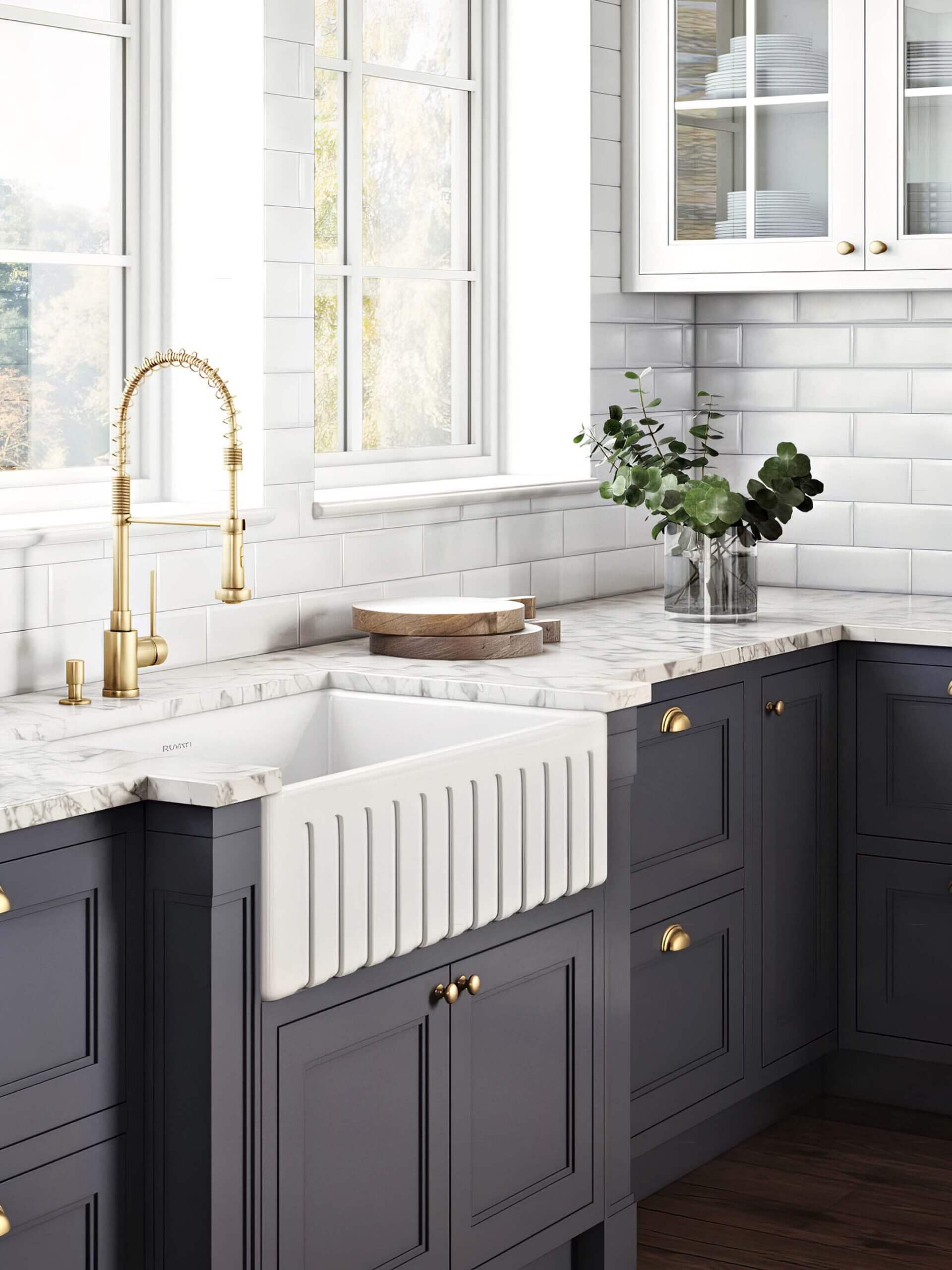
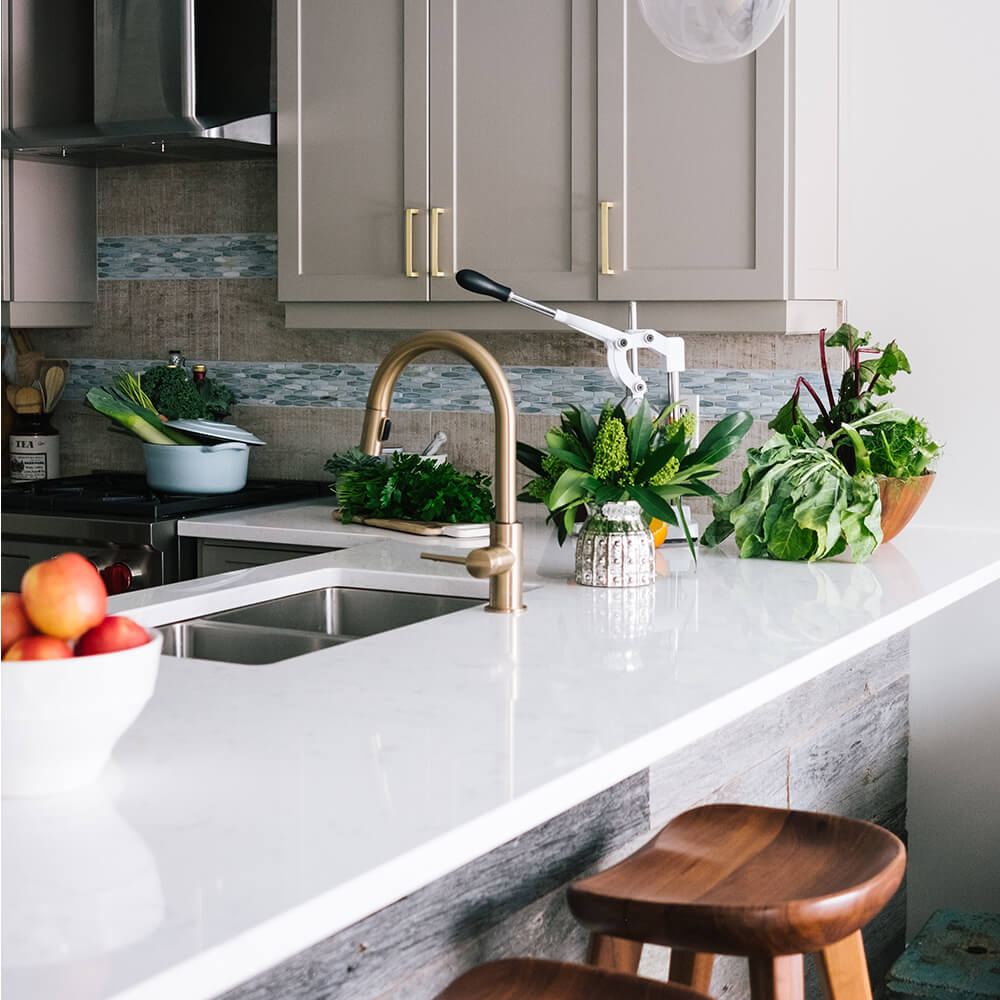
For example, a stainless steel farmhouse sink paired with a modern faucet blends rustic charm with contemporary elegance, creating a sophisticated and timeless kitchen centerpiece.
PVC (Polyvinyl Chloride)
PVC is one of the most popular materials for P-traps due to its:
- Affordability
- Durability
- Ease of installation
- Corrosion resistance
It’s suitable for most residential applications and comes in various sizes, typically Schedule 40 for standard use.
ABS (Acrylonitrile Butadiene Styrene)
ABS is similar to PVC in many respects:
- Lightweight
- Corrosion-resistant
- Easy to install
It is important not to mix ABS and PVC in the same plumbing system due to different reactions to temperature changes.
Brass
Brass P-traps offer several advantages:
- High durability
- Excellent corrosion resistance
- Ability to withstand high water temperatures
While more expensive than plastic options, brass provides superior performance and longevity.
Chrome-Plated Brass
This option combines the durability of brass with improved aesthetics:
- Added layer of chrome for enhanced corrosion resistance
- Popular for visible installations (e.g., under pedestal sinks)
- Attractive appearance.
Polypropylene (PP)
Polypropylene is another plastic option with some unique benefits:
- Rigid and durable
- Resistant to various chemicals
- More environmentally friendly than PVC
- Often used in Europe
Considerations for Material Selection
When choosing the best material for your P-trap assembly, consider:
- Local building codes and regulations
- The specific application (residential vs. commercial)
- Visibility of the installation
- Budget constraints
- Desired lifespan of the plumbing system
For most residential applications, PVC or ABS P-traps provide a good balance of performance and cost-effectiveness. However, for applications requiring higher durability or aesthetic appeal, brass or chrome-plated brass may be preferable
Tools & Materials
- Adjustable wrench or slip-joint pliers
- Small bucket (for collecting water under the sink)
- Bucket (for residual water)
- PVC/ABS P-trap kit (1 ¼” for bathroom sinks, 1 ½” for kitchen sinks)
- Pipe cutter or hacksaw
- Plumber’s tape (for threaded connections)
Step-by-Step P-Trap Installation
- Turn Off Water & Remove Old Trap
- Shut off water supply valves under the sink.
- Place a small bucket under the trap under sink and loosen slip nuts with pliers.
- Detach the old trap and clean residual debris.
- Measure & Cut New Components
- Dry-fit the new P-trap assembly to determine pipe lengths.
- Trim the wall pipe/tailpiece using a pipe cutter for precise alignment.
- Assemble the New P-Trap
- Attach slip nuts/washers and a slip joint washer to the tailpiece and wall tube.
- Connect the J-bend to the tailpiece, ensuring washers face the nuts.
- Secure the trap arm to the drain pipe and tighten all connections snugly (avoid overtightening).
- Test for Leaks
- Turn water back on and allow the water run from the sink.
- Check joints for leaks and tighten nuts slightly if needed.
P-Trap Sizing Guide
| Sink Type | Standard P-Trap Size | Common Uses |
| Bathroom Sink | 1 ¼ inches | Residential basins |
| Kitchen Sink | 1 ½ inches | High-volume drainage |
| Showers/Toilets | 2 inches | Heavy flow capacity |
Always match your sink’s drainpipe diameter.
Troubleshooting Common Issues
- Leaks at joints: Ensure washers are seated correctly and nuts are hand-tightened first.
- Odors after replacement: Verify the trap holds water (prevents sewer gas entry).
- Slow drainage: Check for improper slope (¼” per foot) or venting issues.
- Improper S-trap installations: Avoid converting a P-trap into an S-trap. S-traps are prone to failure because they can self-siphon, leading to potential drainage issues and inadequate venting of the drain line.
Frequently Asked Questions: How to Replace a Sink Trap
1. What is a sink trap and why is it important?
A sink trap, also known as a P-trap, is a curved section of pipe beneath the sink that retains water to prevent sewer gases from entering your home. It also catches debris, preventing clogs in the main drain line.
2. How often should I replace my sink trap?
Sink traps typically last for several years. However, replacement may be necessary if you notice leaks, persistent odors, or frequent clogs.
3. Can I replace a sink trap myself, or should I hire a professional?
Replacing a sink trap is a manageable DIY project for most homeowners. However, if you’re not confident in your plumbing skills or encounter complications, it’s best to consult a professional plumber.
4. What materials are sink traps typically made of?
Sink traps are commonly made of PVC or ABS plastic. Some older models may be made of metal, such as chrome-plated brass.
5. How do I know if my sink trap needs replacement?
Signs that indicate a need for replacement include:
· Visible leaks or corrosion
· Persistent foul odors
· Slow draining
· Frequent clogs
6. What precautions should I take when replacing a sink trap?
· Turn off the water supply
· Place a bucket under the trap to catch water
· Avoid over-tightening connections
· Use Teflon tape on threaded connections to prevent leaks.
7. How long does it typically take to replace a sink trap?
For an experienced DIYer, replacing a sink trap usually takes about 15-30 minutes10.
8. Can I use flexible P-traps?
While flexible P-traps are easy to install, they’re not recommended as they can lead to drainage problems and are often not up to code.
Pro Tips for Success
Checklist:
- ☑️ Test-fit all parts before gluing 1
- ☑️ Use TPE washers for durable seals 14
- ☑️ Replace metal traps with corrosion-resistant PVC
Avoid These Mistakes:
- Using flexible “easy” traps prone to clogs
- Installing S-traps (causes self-siphoning)
By mastering P-trap installation and pairing it with routine sink maintenance, you’ll ensure a functional, odor-free workspace—perfect for culinary experiments or home upgrades!
Need visuals? Watch step-by-step videos from The Home Depot.