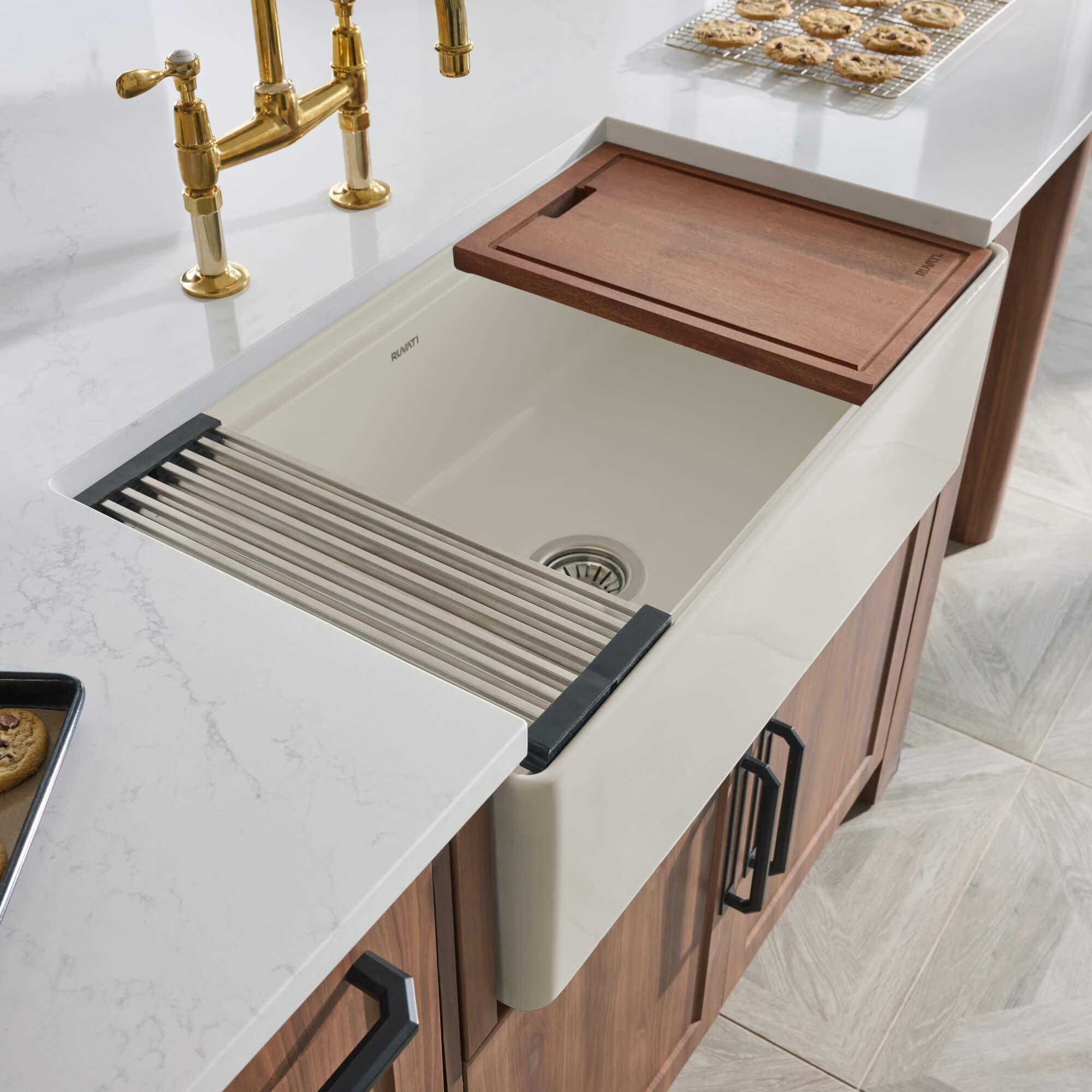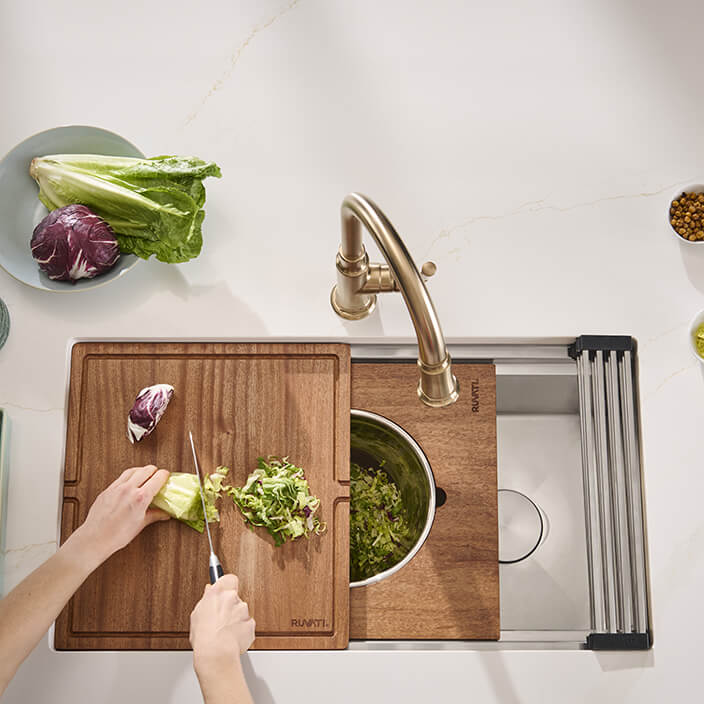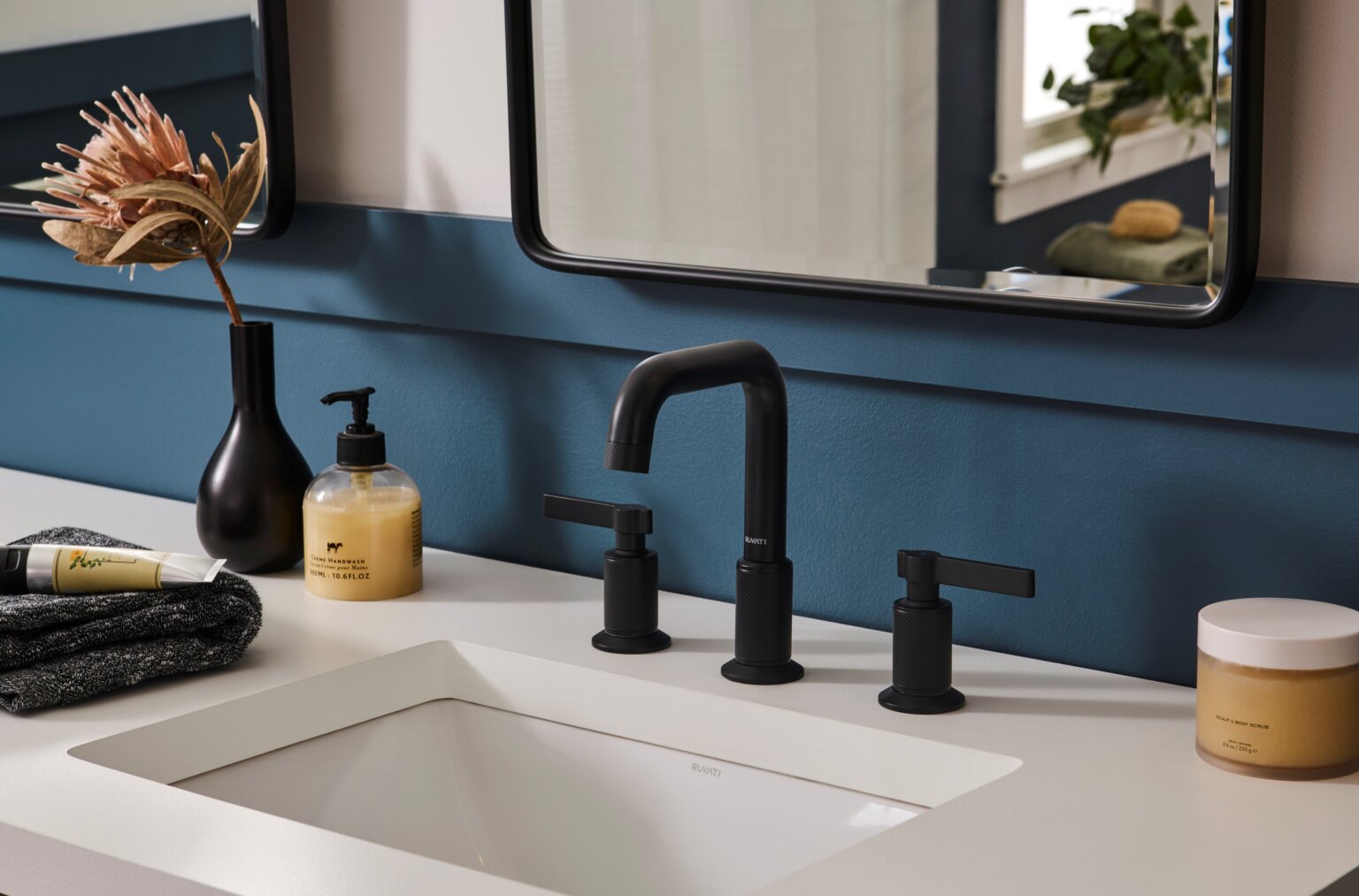


A kitchen sink replacement can seem like a daunting task, but with the right tools and step-by-step guidance, you can complete it efficiently. Whether you are replacing a kitchen sink due to wear and tear or upgrading for a modern look, this guide will walk you through the process of how to install a kitchen sink with ease.
Why Replace Your Kitchen Sink?
A kitchen sink is one of the most frequently used fixtures in your home. Here are some common reasons to replace your kitchen sink:
- Leaks or Cracks: A damaged sink can lead to water damage and costly repairs.
- Upgrading the Kitchen Aesthetic: A new sink can enhance the overall look of your kitchen.
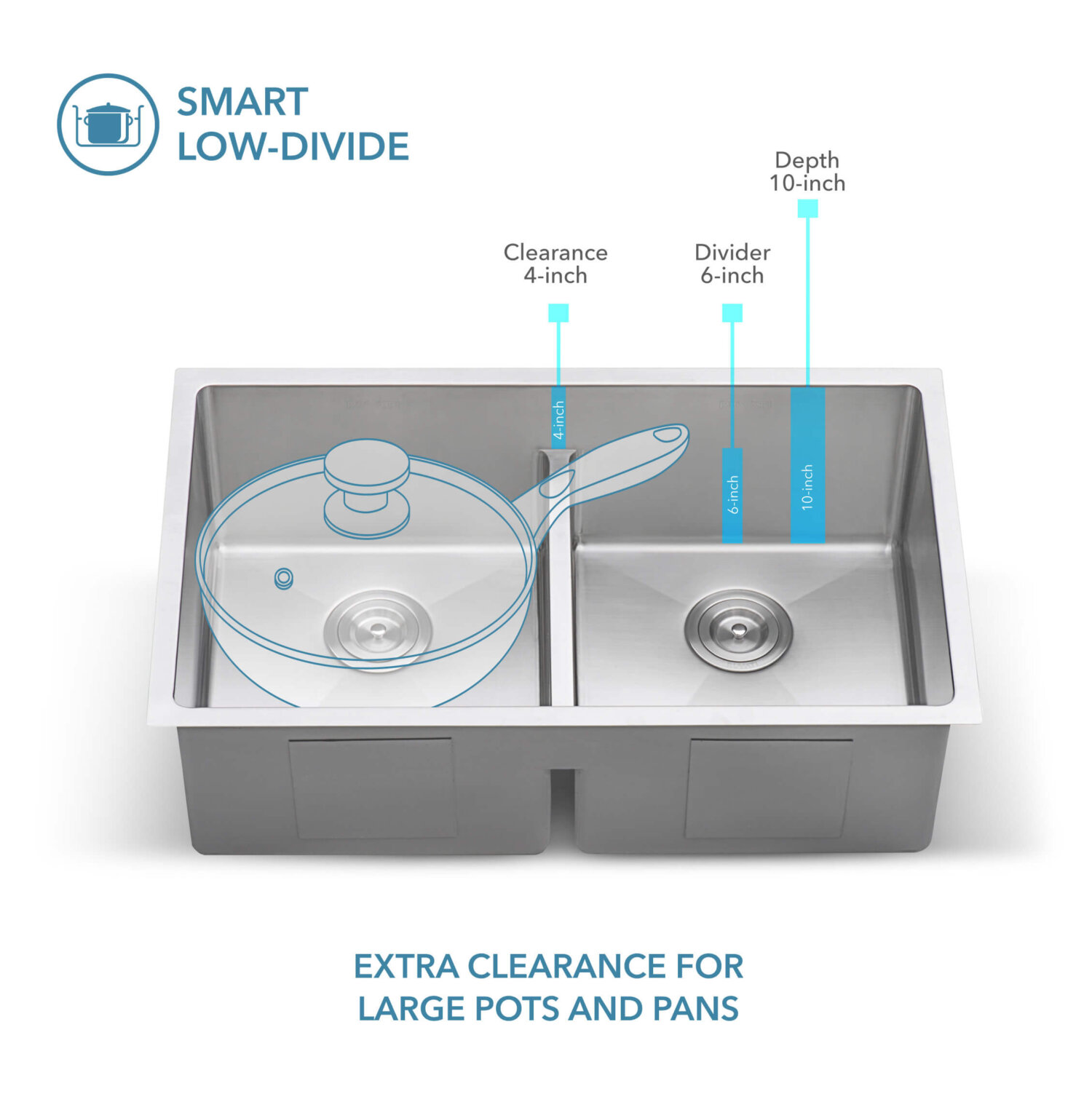
- Improved Functionality: Modern sinks come with better features like deeper basins and additional accessories.
Tools and Materials You’ll Need
Before starting, gather the following tools and materials:
- Adjustable wrench
- Basin wrench
- Plumber’s putty
- Pipe wrench
- Bucket
- Plumber’s tape
- Silicone sealant
- New sink
- New faucet (if needed)
- PVC pipes (if replacement is required)
Step-by-Step Guide to Kitchen Sink Installation
Step 1: Turn Off the Water Supply
Before starting the sink installation, turn off the water supply to avoid leaks and spills. Shut off both the hot and cold water valves under the sink.
Step 2: Disconnect Plumbing Remove the Old Sink
Place a bucket under the pipes to catch any water. Use a wrench to disconnect the supply lines and drain pipes.
Step 3: Remove the Old Sink
Carefully detach the sink clips and use a utility knife to cut through any sealant. Gently lift the sink out of the countertop.
Step 4: Prepare for the New Kitchen Sink Installation
Clean the edges of the sink cutout to remove any old sealant or debris. Ensure the new sink fits properly by measuring it against the cutout.
Step 5: Install the New Sink
Apply plumber’s putty around the drain openings and place the new sink into the cutout. Secure it with mounting clips and apply a bead of silicone sealant along the edges.
Step 6: Reconnect the Plumbing
Attach the water supply lines and drain pipes securely. Turn on the water supply and check for leaks.
Step 7: Test the Installation
Run water through the sink to ensure proper drainage and leak-free connections. Wipe away any excess sealant.
Tips for a Successful Kitchen Sink Replacement
- Measure Twice, Cut Once: Before purchasing a new sink, measure the existing sink and countertop opening to ensure a perfect fit.
- Choose the Right Sink Type: Decide between drop-in, undermount, or farmhouse sinks based on your kitchen style and ease of installation.
- Check the Plumbing Configuration: If your new sink has a different drain location, you may need to adjust the plumbing.
- Use High-Quality Sealants: Apply plumber’s putty or silicone sealant properly to prevent leaks and ensure a watertight seal.
- Upgrade Your Faucet: While replacing a kitchen sink, consider upgrading to a pull-down or touchless faucet for added convenience.
- Install a Garbage Disposal (If Needed): If your sink doesn’t already have one, this is the perfect time to install a garbage disposal for added kitchen efficiency.
- Test for Leaks Before Finishing: Run water through the system and check for leaks before sealing everything permanently.
Cost of Replacing a Kitchen Sink
The cost of kitchen sink replacement varies depending on factors such as the type of sink, labor costs, and additional plumbing work. Here’s an estimated cost breakdown:
- Basic drop-in sink: $100 – $300
- Undermount sink: $200 – $500
- Professional installation: $200 – $500
Tips for Budgeting
- Plan Ahead: Consider all potential expenses, including new faucets or plumbing fixtures.
- Shop Around: Compare prices for different sink types and materials to find the best fit for your budget.
- DIY vs. Professional: Weigh the benefits of DIY installation against hiring a professional based on your skills and time constraints.
Planning and anticipating costs for a kitchen sink installation can save time and money in the long run. Ensuring these costs are budgeted into your project will allow you to focus on the project at hand.
Best Kitchen Sinks for Easy Installation: Top Picks for DIYers
| Sink Model | Installation Type | Material | Features |
| Ruvati Fireclay Farmhouse (RVL2100WH) | Single | Drop-in | Fireclay, Reversible Design, Spacious Bowl |
| Glacier Bay Double Bowl | Double | Drop-in | Stainless Steel, Easy Installation |
| Ruvati RVM4350 Undermount | Double (60/40) | Undermount | Quartz/Acrylic Resin, Seamless Integration |
| Ruvati RVH8001 Workstation Sink | Single | Drop-in | Stainless Steel, Integrated Accessories (Cutting Board, Dish Rack, Colander) |
Where to Buy a Kitchen Sink Locally?
For those wondering “where to buy a kitchen sink locally,” consider:
- Local plumbing supply stores (often sell retail)
- Home improvement stores like Lowe’s or Home Depot
- Specialty hardware stores for unique finds
Affordable Sink Installation Services Near You
If DIY isn’t your style or you’re short on time, consider affordable professional installation services from local home improvement stores like Lowe’s. They offer independent installers who can handle everything from removing your old kitchen sink and installing the new one efficiently.
FAQs: Replacing Your Kitchen Sink
Can I replace my kitchen sink myself?
Absolutely! Replacing a kitchen sink is achievable with careful preparation and basic plumbing skills. Our guide provides step-by-step instructions to make it easier for DIY enthusiasts.
What are the best adhesives for kitchen sink installation?
Silicone sealants like Loctite 100% Silicone are highly recommended due to their durability and waterproof properties. A good sealant ensures a leak-proof and secure installation.
Where can I buy a quality kitchen sink locally?
Check out local plumbing supply stores, home improvement centers like Lowe’s, or specialty hardware shops in your area for high-quality kitchen sink replacement options.
What’s the best way to replace a kitchen sink without hiring a plumber?
Follow our detailed step-by-step guide above—it’s straightforward enough for most experienced DIYers. Investing in the right tools and sealants can make the process smoother.
Which type of kitchen sinks are easiest for DIY sink installation?
Drop-in sinks are typically easier for DIY installations compared to undermount options due to their straightforward design and pre-drilled fixture holes.
Can I use the same process to replace a bathroom sink?
Yes, the process for replacing a bathroom sink is quite similar to kitchen sink replacement. However, differences in measurements and safety precautions should be considered. Also, factor in cost considerations and how the change impacts functionality and aesthetics.
Conclusion
Successfully replacing a kitchen sink is an achievable DIY project with the right tools, preparation, and step-by-step guidance. Whether you’re upgrading your kitchen’s look or fixing a damaged fixture, a proper kitchen sink installation can improve both functionality and aesthetics.
By following this guide, you can change a kitchen sink without the need for professional help, saving on installation costs while gaining hands-on experience. Remember to double-check your measurements, use high-quality sealants, and test for leaks before completing the project.
With a little effort and patience, your kitchen sink replacement will be a rewarding home improvement that enhances your kitchen’s efficiency and style!