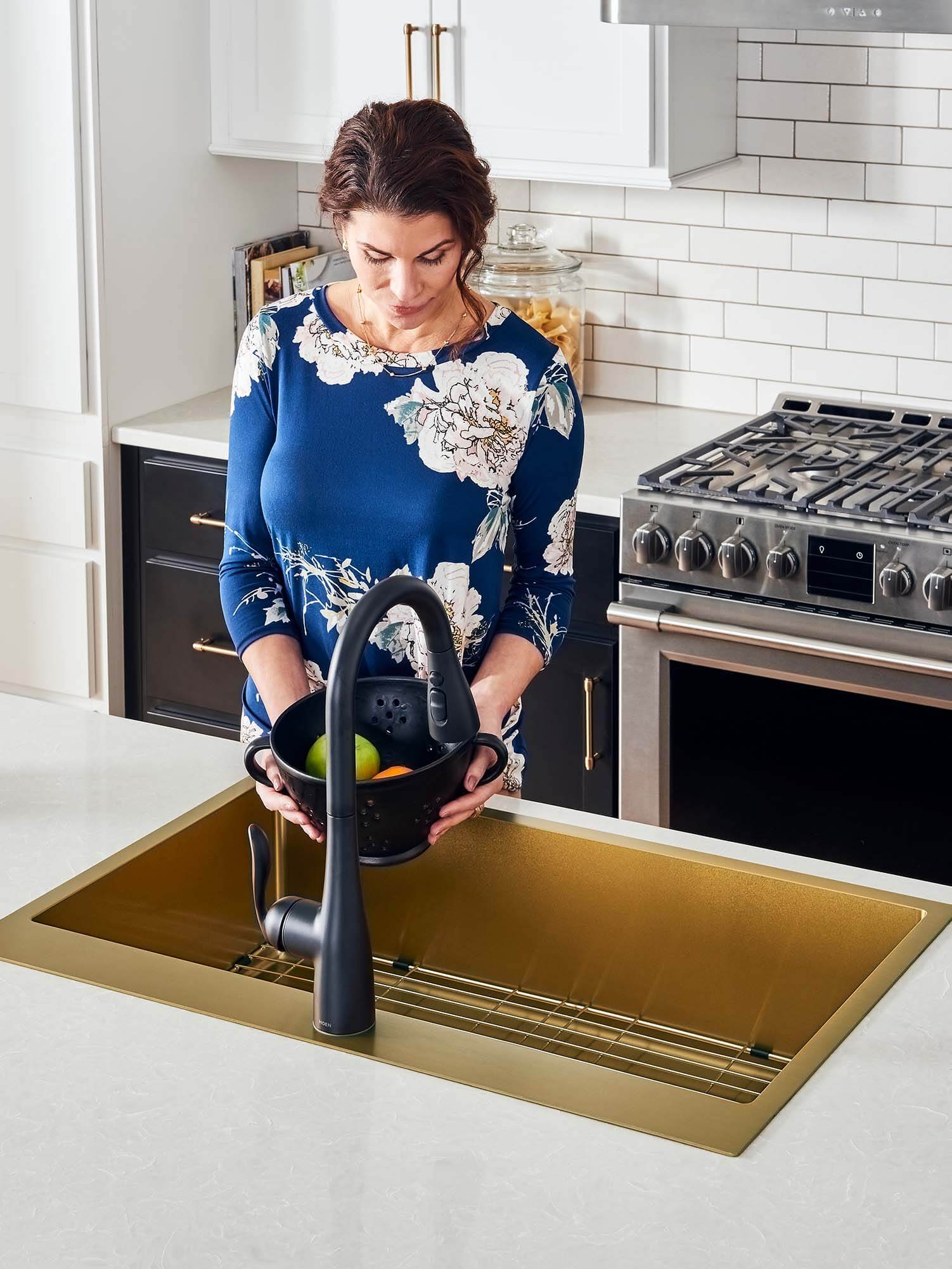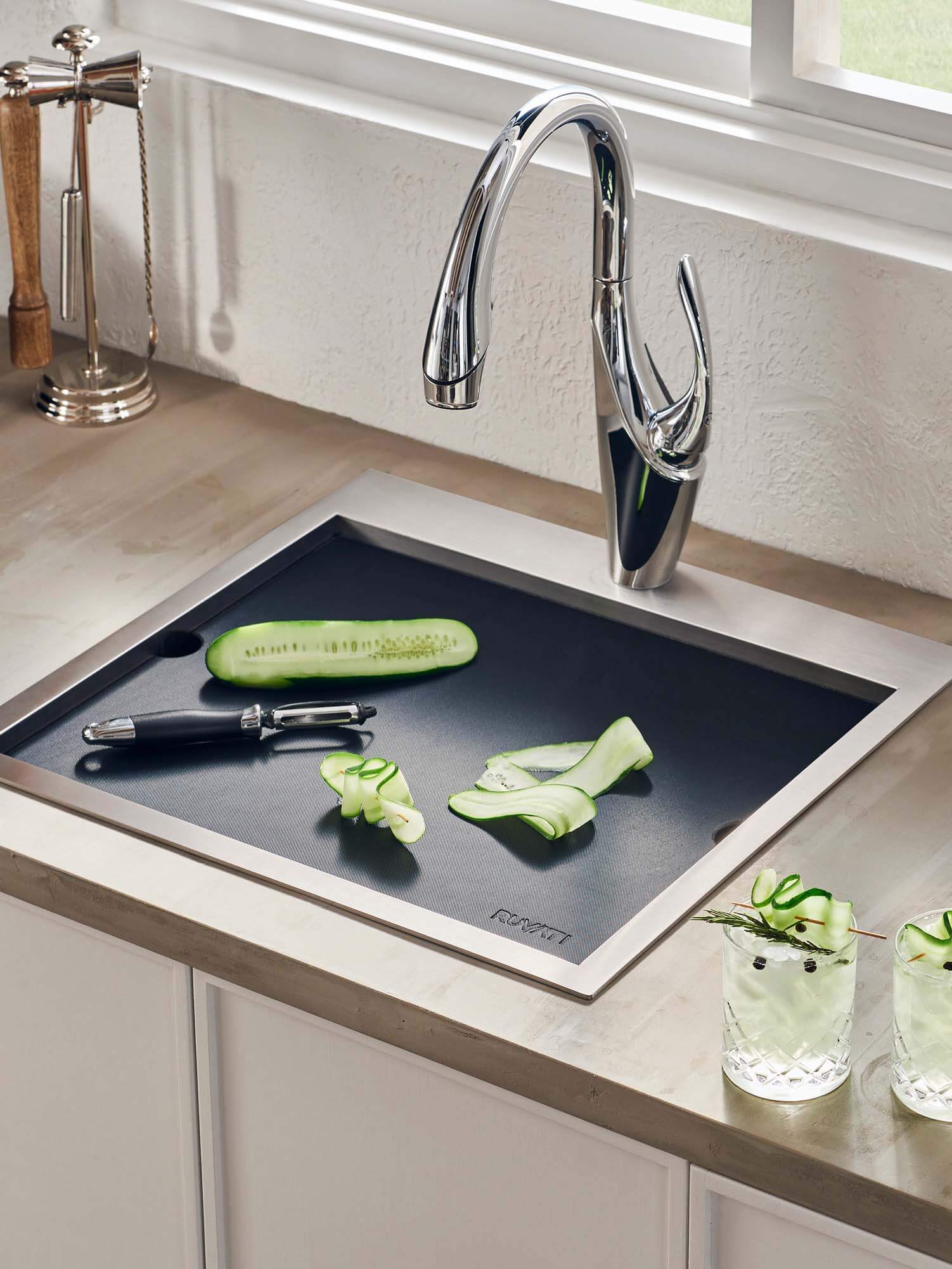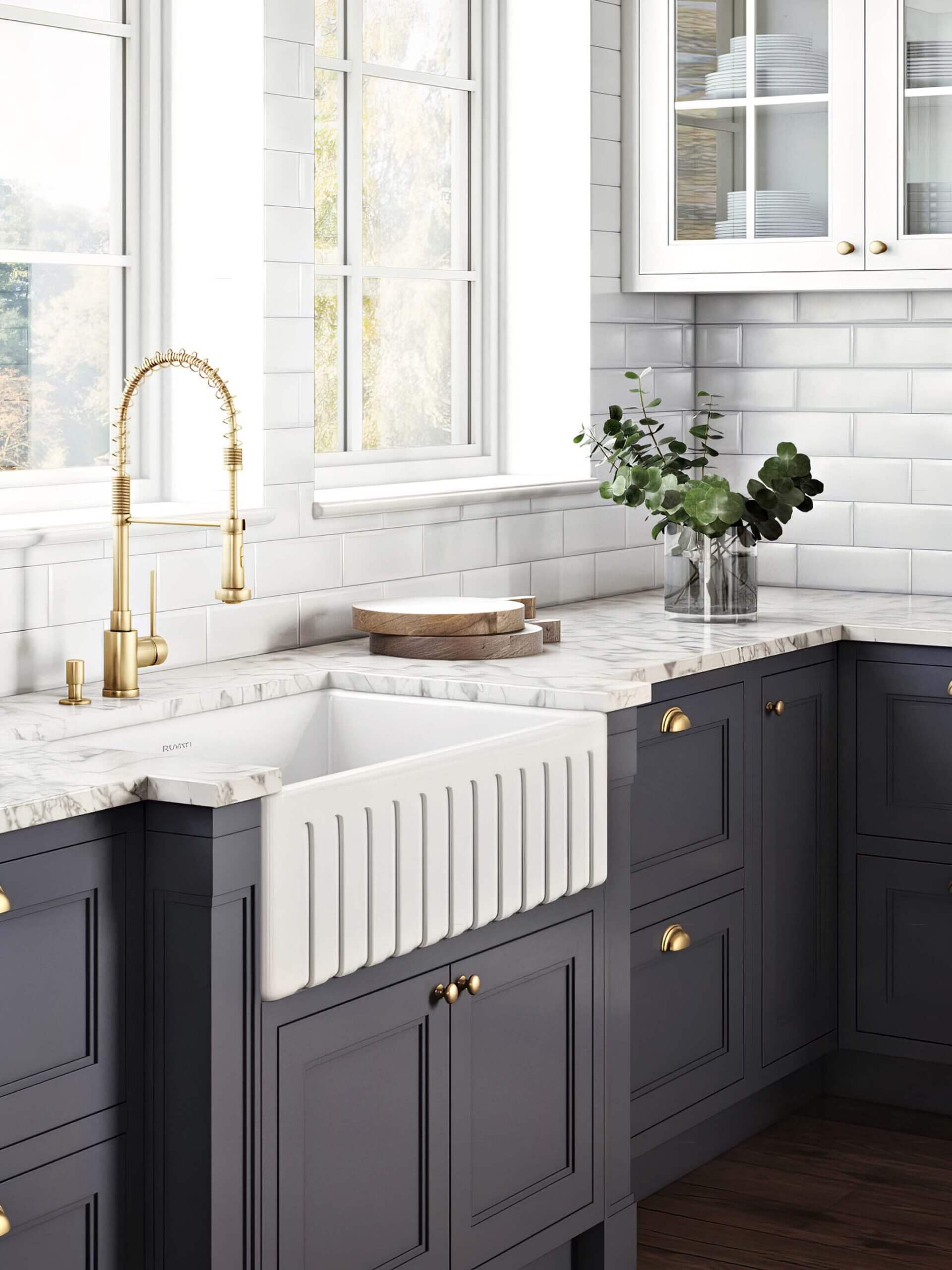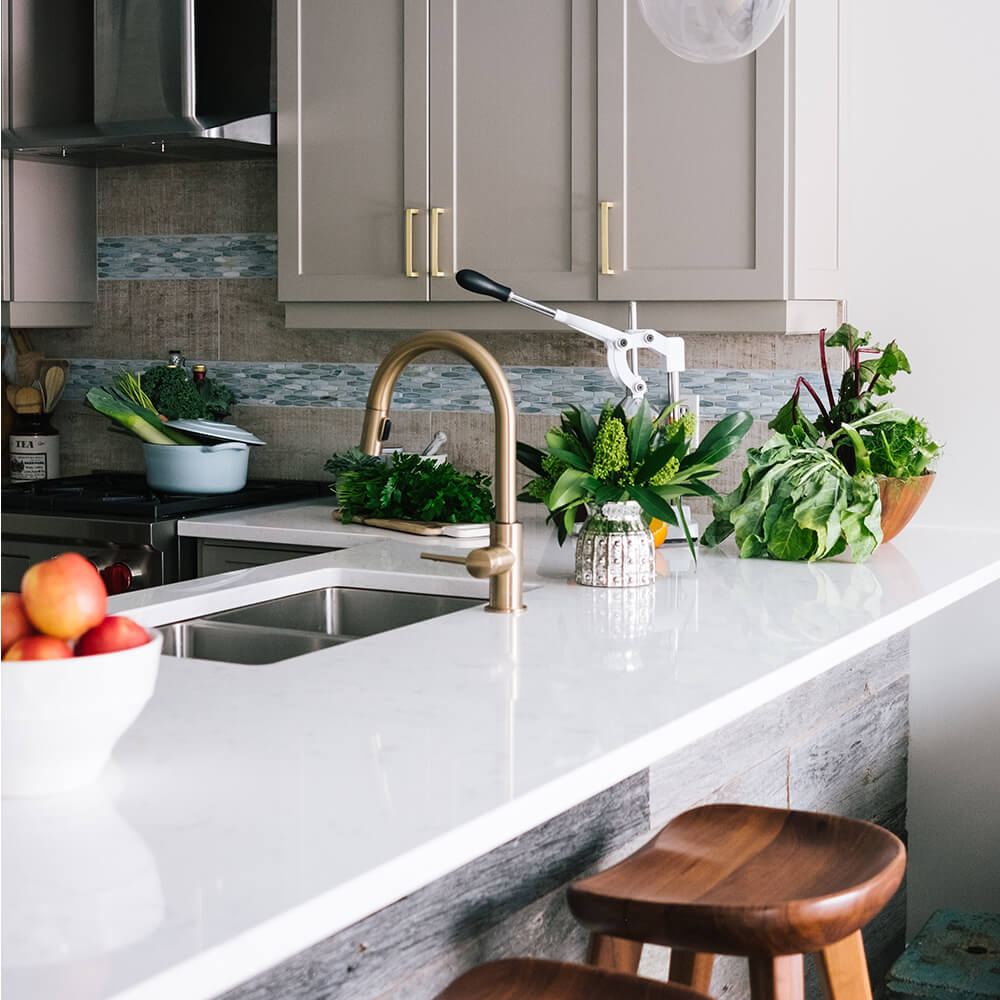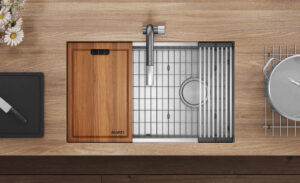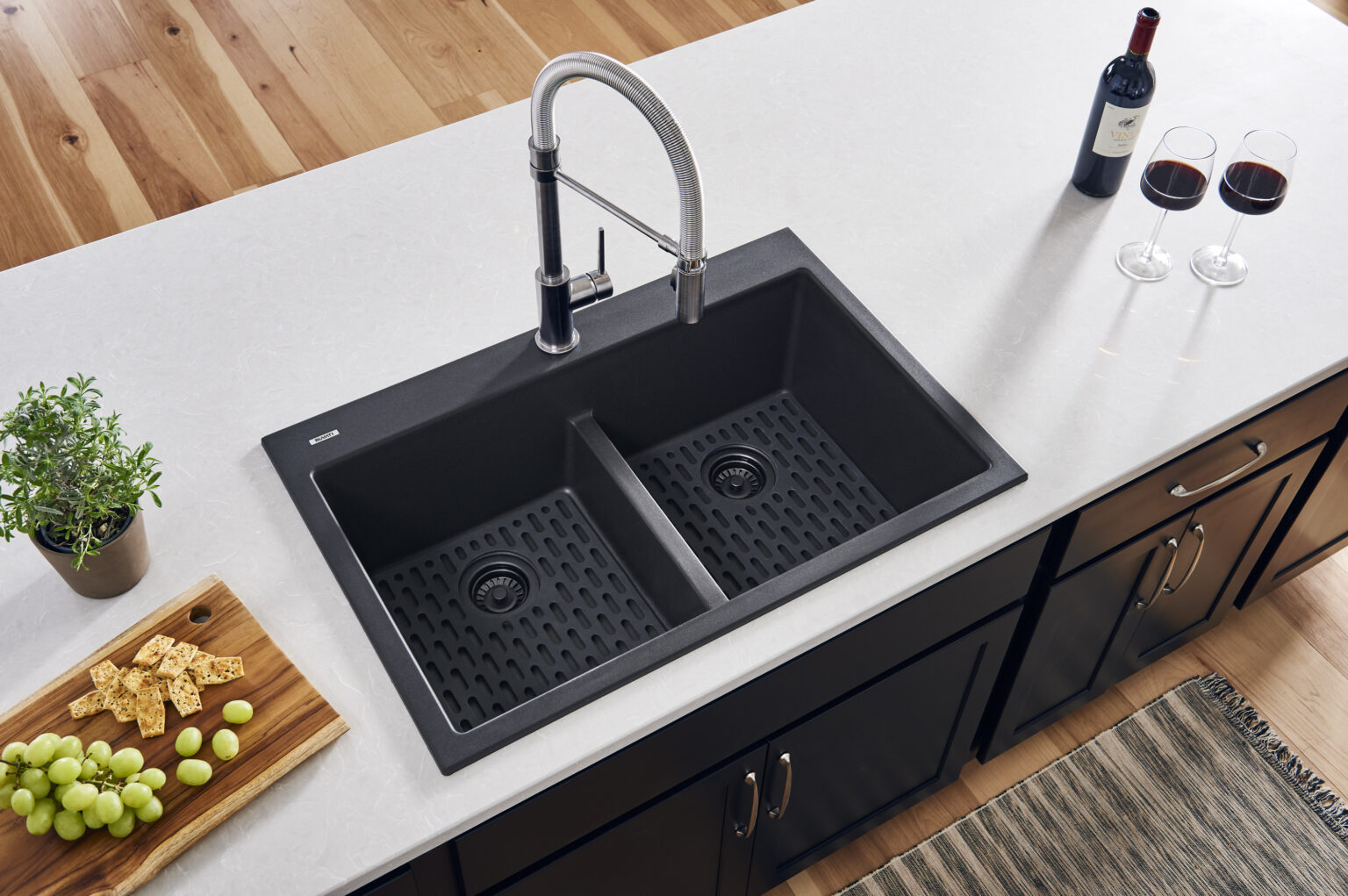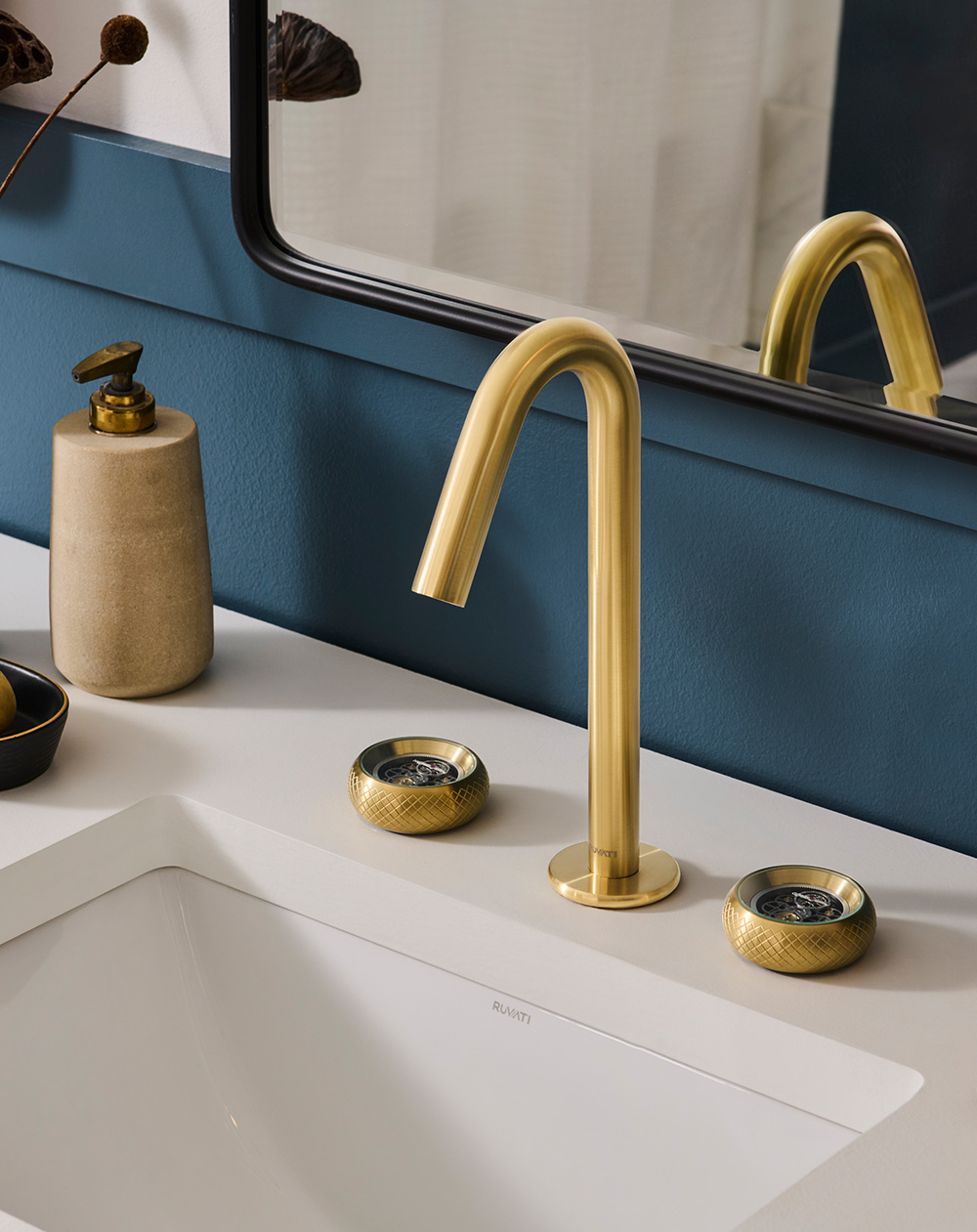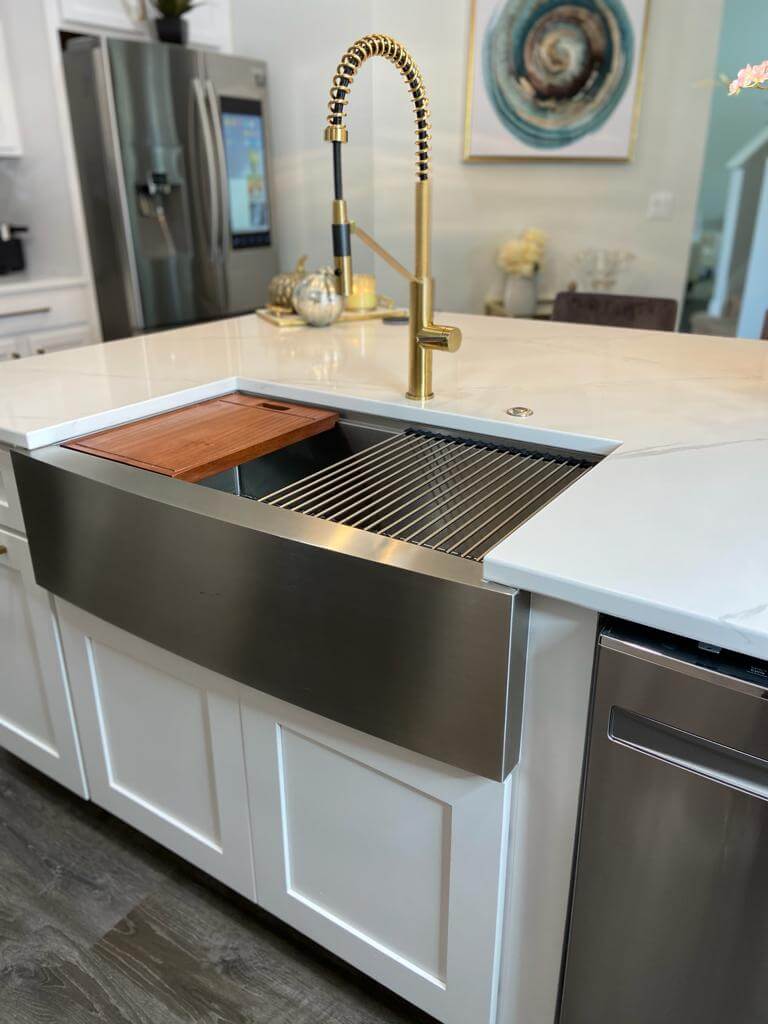
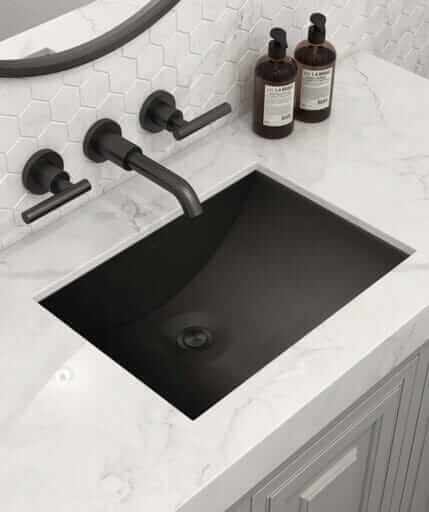
An undermount sink is a stylish and practical option that mounts beneath the countertop, creating a seamless look and making countertop cleaning a breeze. Unlike drop-in sinks, undermount sinks have no visible lip on the counter surface, providing a modern and sophisticated appearance. Installing an undermount sink can also add extra style to your kitchen or bathroom.
Whether you’re a DIY enthusiast or a professional renovator, this comprehensive resource will equip you with everything you need to know about installing, maintaining, and even removing undermount Kitchen sinks. Let’s dive into the world of sleek, modern sink design and installation.
What is an Undermount Sink?
An undermount sink is a sophisticated fixture that’s installed beneath the countertop, creating a seamless and elegant look in kitchens and bathrooms. Unlike traditional drop-in sinks, undermount sinks have no visible lip on the counter surface, offering several advantages:
- Easier countertop cleaning
- More usable counter space
- A modern, high-end aesthetic
- Versatility in design and material options
Types of Undermount Sinks
Before we delve into installation, it’s crucial to understand the various types of undermount sinks available:
- Single Bowl: Ideal for large items and spacious kitchens
- Double Bowl: Perfect for multitasking and separating tasks
- Triple Bowl: Offers maximum versatility for busy kitchens
- Bar/Prep Sinks: Smaller sinks for auxiliary areas
- Bathroom Sinks: Designed for vanities and smaller spaces
Materials and Compatibility
Undermount sinks come in various materials, each with its own benefits:
- Stainless Steel: Durable and easy to maintain
- Composite Granite: Resistant to scratches and stains
- Fireclay: Elegant and heat-resistant
- Porcelain Ceramic: Classic and long-lasting
- Copper: Unique patina and antimicrobial properties
Ensure your chosen sink material is compatible with your countertop. Some common countertop materials suitable for undermount sinks include:
- Granite
- Quartz
- Marble
- Solid Surface
- Concrete
- Some engineered stones
Check out the complete list of styles, materials and types of sinks you can buy in our Kitchen Sinks Collection.
Tools and Materials Checklist You Need Before Installation
For a successful installation, gather the following:
- Silicone sealant
- Mounting brackets
- Screws
- Drill
- Measuring tape
- Level
- Clamps
- Scrap wood: Use scrap wood to support the weight of the sink during installation. If you don’t have scrap wood available, you can use other sturdy objects or have someone assist in holding the sink in place until it is securely attached to the countertop.
- Safety goggles
Tools:
- Screwdriver (both flathead and Phillips)
- Drill with appropriate bits
- Jigsaw (if cutting is required)
- Level
- Tape measure
- Pencil
- Utility knife
- Caulk gun
- Sink setter tool (optional but recommended)
Materials:
- Undermount sink
- Silicone adhesive (100% silicone for most applications)
- Epoxy adhesive (for quartz countertops)
- Mounting clips
- Denatured alcohol
- Scrap wood (to support the weight of the sink during installation)
Step-by-Step Installation Guide Of Undermount Sinks
1. Preparation
- Remove the old sink if replacing an existing one
- Clean the underside of the countertop thoroughly with denatured alcohol
- Ensure the area is completely dry
- If installing in a new countertop, make sure the cutout is precise using the provided template
- Installing an undermount sink is easier with new countertops, as they provide a clean and precise surface for installation
2. Dry Fit
- Place the sink upside down on the countertop
- Trace the outline with a pencil
- Mark the locations for mounting clips
- Perform a dry fit to ensure proper alignment
3. Apply Adhesive
- Run a continuous bead of silicone adhesive along the sink’s rim
- For quartz countertops, use a specialized epoxy adhesive
- Apply adhesive to the mounting clip areas. For more detailed guidance, there are comprehensive guides available on how to install an undermount sink, offering additional tips and insights.
4. Position the Sink
- Carefully flip the sink and align it with the outline on the countertop
- Use a sink setter tool for precise placement
- If available, use scrap wood to support the weight of the sink during alignment and attachment. Alternatively, you can use other sturdy objects or have someone assist in holding the sink in place until it is securely attached to the countertop.
- Press firmly to ensure good contact with the adhesive
5. Secure the Sink
- Attach mounting clips to the predetermined spots
- Tighten the clips gradually and evenly to hold the sink firmly against the countertop
- Use a level to ensure the sink is perfectly aligned
- Wipe away any excess adhesive immediately
6. Allow for Curing
- Let the adhesive cure for at least 24 hours before connecting plumbing or using the sink
- For quartz countertops, follow the epoxy manufacturer’s curing time recommendations
Plumbing Connections
When installing an undermount sink, ensuring proper plumbing connections is crucial to prevent leaks and water damage. Follow these steps to connect the plumbing effectively:
- Shut off the Water Supply: Before starting, turn off the water supply lines to the sink. Locate the shut-off valves under the sink and turn them clockwise. Open the faucet to drain any remaining water from the lines.
- Disconnect the Old Sink’s Plumbing: If you’re replacing an old undermount sink, disconnect the water supply lines from the old sink. Use a wrench to loosen the nuts holding the lines in place, then carefully pull the lines off the old sink.
- Connect the New Sink’s Plumbing: Attach the water supply lines to the new sink, ensuring they are secure with the provided nuts. Tighten the nuts by hand, then use a wrench to give an additional 1-2 turns.
- Connect the Drain: Follow the manufacturer’s instructions to connect the drain assembly to the new sink. This typically involves attaching the drain flange to the sink and connecting the drain pipe to the garbage disposal or drain trap.
- Secure the Sink Clips: Use the remaining sink clips to secure the sink to the countertop. Tighten the wing nuts by hand, then use a wrench to give an additional 1-2 turns.
- Test the Plumbing: Turn on the water supply and check for leaks at the connections. Run water through the faucet to test the drain and ensure it’s functioning properly.
- Seal the Connections: Apply a bead of caulk around the sink’s perimeter to create a watertight seal. Use a caulk gun to apply the caulk, then smooth it out with a damp cloth.
Installing an Undermount Sink to Quartz
Quartz countertops require special attention as improper sealing can lead to improper drainage, mold and mildew:
- Use a high-quality epoxy adhesive specifically designed for quartz
- Apply the adhesive sparingly to avoid overflow
- Consider using a sink setter tool for precise alignment
- Allow for extended curing time as recommended by the adhesive manufacturer
- Use reinforced mounting brackets designed for quartz installations
Removing an Undermount Sink
If you need to remove an undermount sink:
- Disconnect the plumbing and remove the garbage disposal if present
- Cut through the silicone seal with a utility knife
- Loosen and remove the mounting clips
- Use a pry bar or putty knife to gently separate the sink from the countertop
- Carefully lower the sink from the countertop
- Clean off any remaining adhesive from both the sink and countertop
- Use a flat head screwdriver and a hammer to gently tap the screwdriver to break the silicone seal around the sink, ensuring not to apply too much force to avoid damaging the countertop
Maintenance Tips
To keep your undermount sink looking and functioning its best:
- Clean regularly with non-abrasive cleaners
- Dry the sink and surrounding areas after use to prevent water spots
- Check and re-caulk the seal between the sink and countertop annually
- Avoid dropping heavy objects into the sink to prevent damage
Troubleshooting Common Issues
- Leaks: Check the plumbing connections and the seal between the sink and countertop
- Rust spots: Clean immediately and consider using a rust remover designed for your sink material
- Loose sink: Tighten mounting clips or reapply adhesive if necessary
FAQs
-
Can I install an undermount sink myself?
Yes, with proper tools and careful attention to detail, many homeowners successfully install undermount sinks. However, if you’re unsure or dealing with expensive materials, it’s best to consult a professional.
-
How long does it take to install an undermount sink?
The installation process typically takes 2-3 hours, not including curing time for the adhesive, which can be 24 hours or more.
-
Are undermount sinks more expensive than drop-in sinks?
Generally, undermount sinks are slightly more expensive due to their installation method and sleek design. However, prices vary widely based on material and brand. Looking for the pros and cons of each? Ruvati’s handy guide to undermount and drop-in sinks can help.
-
Can undermount sinks be installed on any countertop material?
While they work best with solid surface materials like granite, quartz, or marble, they can be installed on some laminate countertops with proper reinforcement. Always check with the countertop manufacturer for compatibility.
-
How much weight can an undermount sink support?
This depends on the sink material, mounting system, and countertop. Most properly installed undermount sinks can support 300-500 pounds, but it’s best to avoid excessive weight.
-
Do I need to use a special drain with an undermount sink?
Yes, undermount sinks typically require a specific drain type that fits flush with the bottom of the sink. Ensure you purchase a compatible drain assembly.
Installing an undermount sink can transform your kitchen or bathroom, offering a sleek, modern look while providing practical benefits like easier cleaning and maximize counter space. By following the steps outlined in this guide, you can confidently tackle this rewarding DIY project, ensuring that your sink is not only functional but also a stunning focal point in your home.
Key Takeaways
- Preparation is Essential: Measure accurately and gather all necessary tools and materials before starting the installation.
- Follow Safety Protocols: Always prioritize safety by wearing protective gear and ensuring your workspace is clear.
- Seek Help When Needed: Don’t hesitate to enlist a friend or professional if you encounter challenges beyond your expertise.
By embracing the process and taking your time, you’ll not only enhance the aesthetic appeal of your space but also gain a sense of accomplishment that comes from completing a home improvement project. So roll up your sleeves, get started, and enjoy the satisfaction of a beautifully installed undermount sink that elevates your home’s design! Happy renovating!