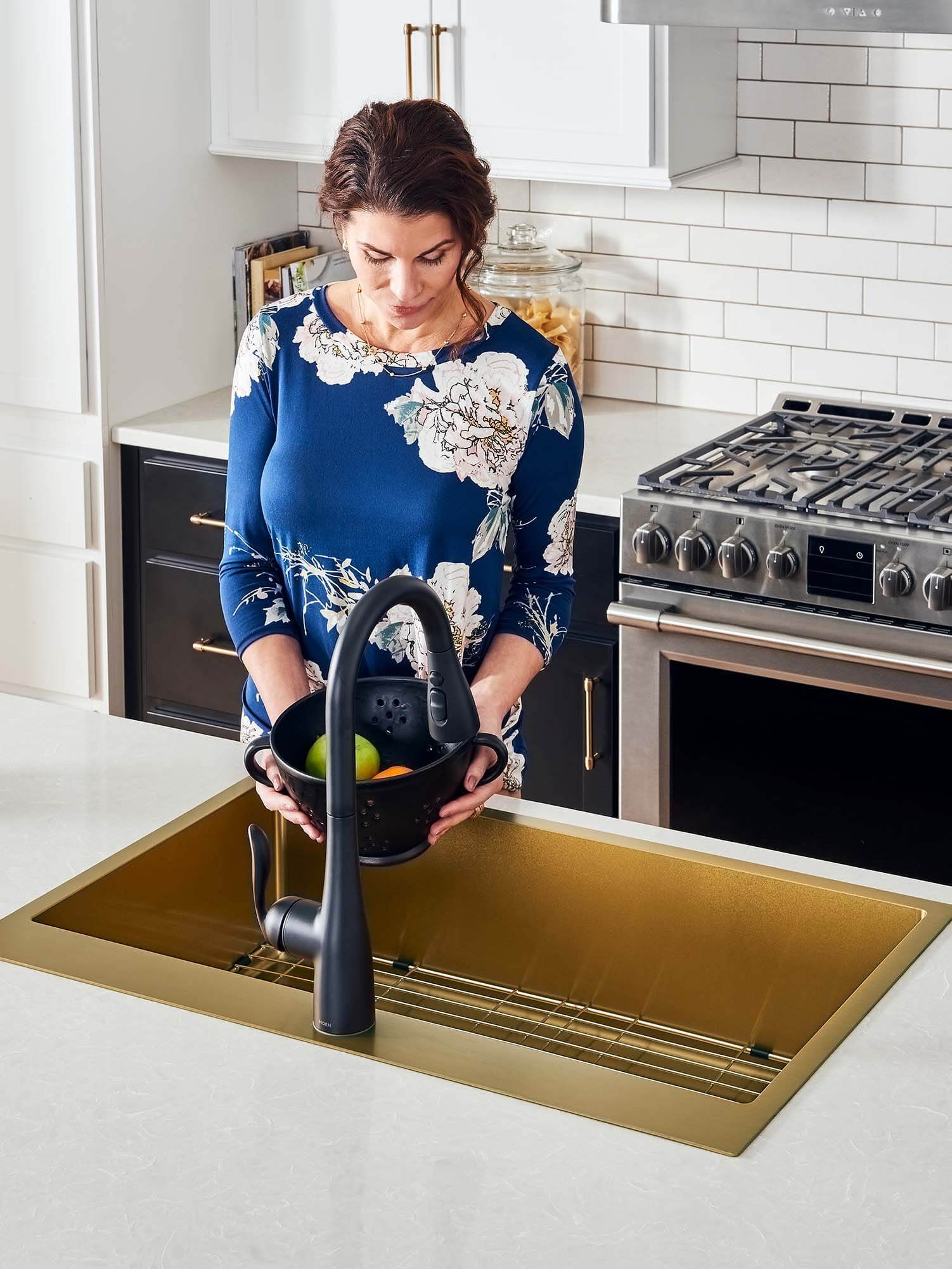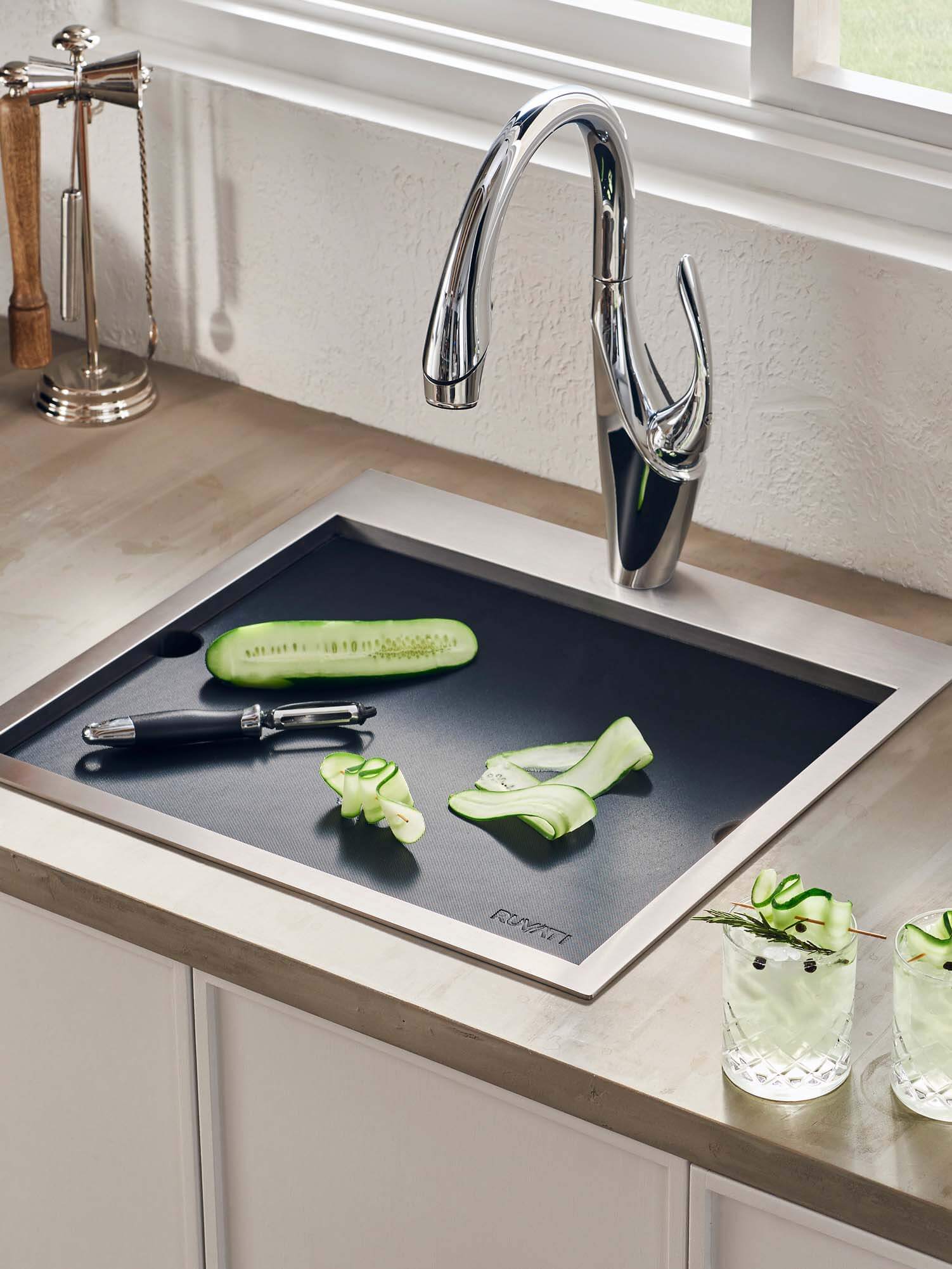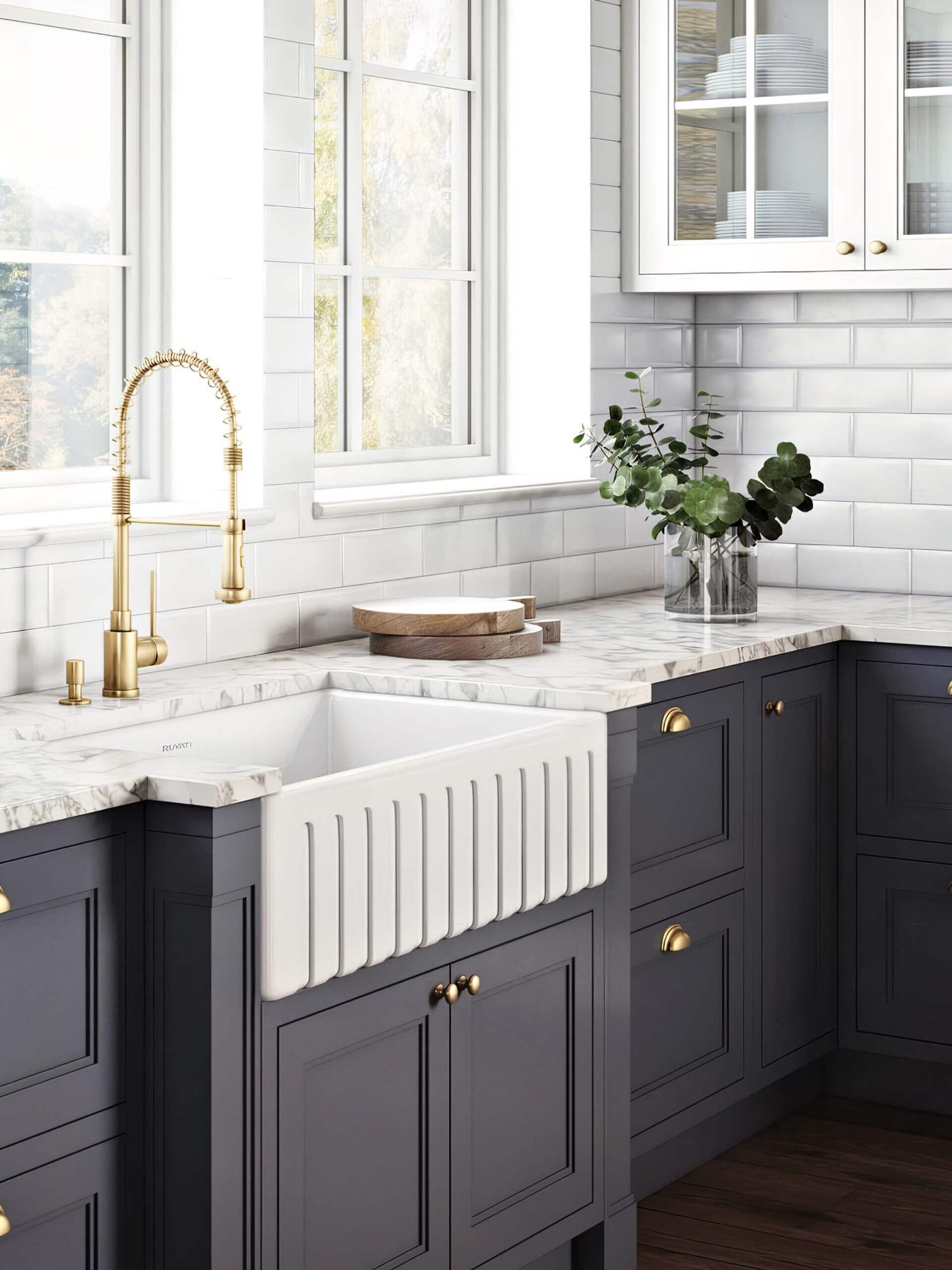
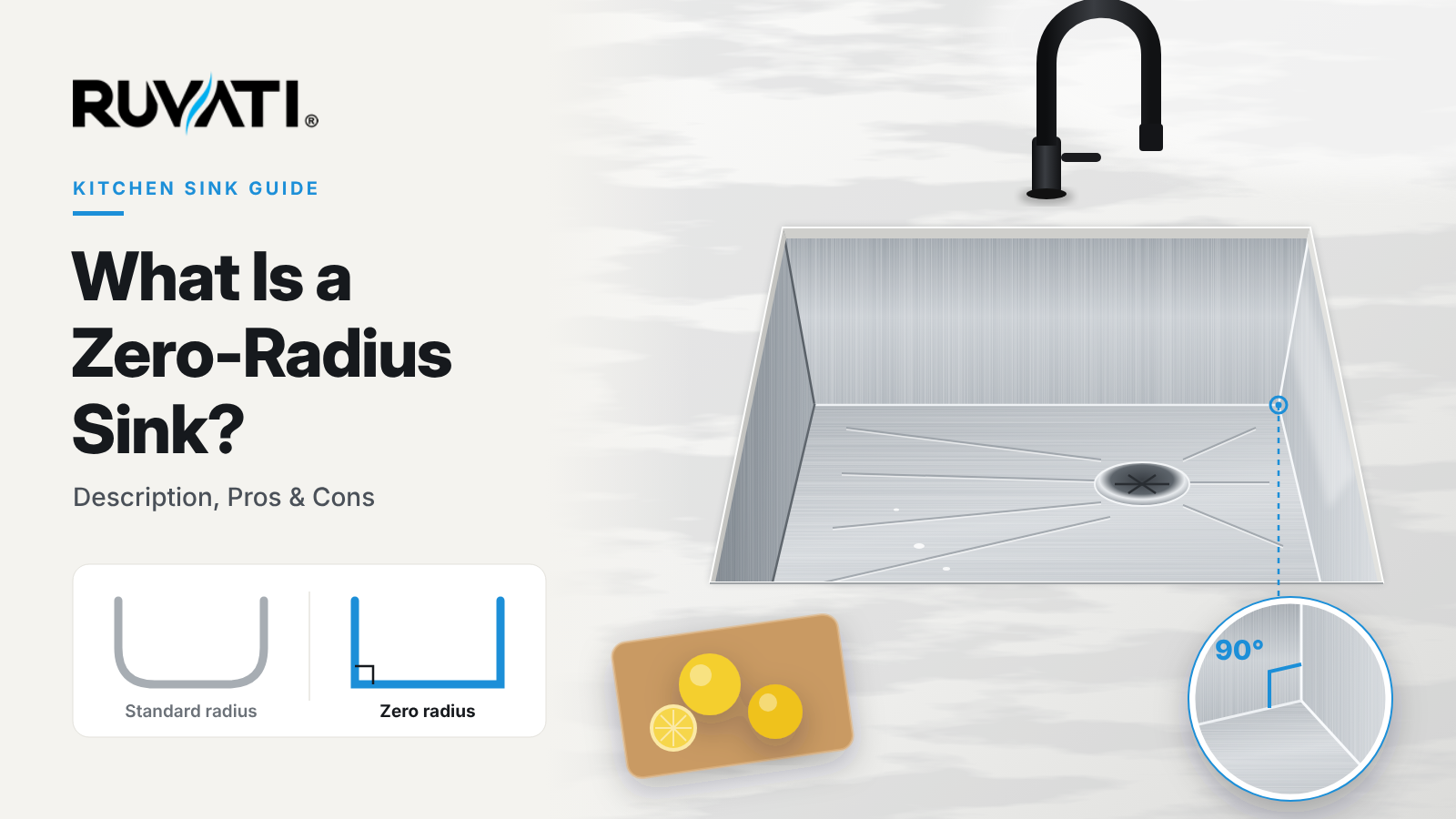
Quick Answer: A zero-radius sink is a type of sink in which the bowl is completely flat and features a sharp-angled, boxed construction instead of the usual curved one.
Description and Features
When you’re buying a new sink for your kitchen, you’ll come across a load of different types and varieties. One of those is the zero-radius sink.
In case you don’t know what that is, here is a description:
A zero-radius sink features a flat basin with sharp sides instead of the usual curved bowl that is found in traditional sinks.
Here are the salient features and qualities of a zero-radius sink.
- Sharp and straight sides that go straight down
- 90-degree sharp angles all around the sink basin, between the formation of the basin floor and walls
- Commercial appearance
There are various pros and cons of zero-radius sinks, which we will discuss in the sections below.
What are the Pros of a Zero-Radius Sink
Here are the pros of a zero-radius sink:
- Maximized Space: The sharp corners and flat basin reduce wasted room, resulting in more usable capacity within the same overall footprint.
- Modern Aesthetic: The clean, angular lines give the sink a contemporary look that fits well with current kitchen design trends.
- Commercial-Grade Appeal: The design resembles sinks commonly found in professional kitchens, giving it a polished, functional appearance.
- Improved Versatility: The straight walls and flat floor make it easier to fit large pots, pans, and baking sheets flush against the sides.
- Defined Visual Lines: The sharp edges create a clear contrast against countertop surfaces, particularly in undermount installations.
- Durable Materials: Zero-radius sinks are often made from stainless steel or fireclay, materials known for their durability and long-term performance.
- Consistent Basin Depth: Because the walls run straight down, the basin maintains a uniform depth, unlike curved bowls that narrow toward the bottom.
What are the Cons of a Zero-radius Sink
Here are the cons of a zero-radius sink:
- Harder to Clean: The sharp 90-degree corners can trap food particles, grease, and grime, making them more difficult to clean thoroughly compared to curved basins.
- Higher Price Point: Zero-radius sinks are generally more expensive than standard curved sinks due to the precision manufacturing required for the sharp angles.
- Limited Style Compatibility: The commercial, angular look doesn’t always suit traditional or farmhouse-style kitchens, which may limit design flexibility.
- Potential for Water Pooling: Flat basin floors can sometimes cause water to pool in corners rather than draining as efficiently as curved designs that funnel water toward a central drain.
- Noise Levels: Without proper sound dampening, the flat surfaces and sharp angles can amplify noise from running water or items being placed in the sink.
Overview Table of All Pros/Cons: At a Glance
Here is an overview table that provides a breakdown of the pros and cons that we’ve described above.
| Pros | Cons |
| Maximized usable space | Harder to clean (corners trap debris) |
| Modern, angular aesthetic | Higher price point |
| Commercial-grade appeal | Limited style compatibility |
| Improved versatility for large cookware | Potential for water pooling |
| Defined visual contrast with countertops | Can amplify noise |
| Durable materials (stainless steel, fireclay) | Fewer style/size options available |
| Consistent basin depth | Requires precise installation |
How to Buy the Right Zero-radius Sink for Your Kitchen
Buying a zero-radius sink isn’t just about picking a style you like online. Some of the most important details, like corner sharpness and sound quality, can only be judged once you’re standing in front of the real thing. Follow these steps in order to avoid surprises after installation.
Step 1: Narrow Down Your Options Online
Start by researching what you can reliably judge from a screen: price, finish, basin capacity, material type, and customer reviews. Use this to build a shortlist of 3 to 4 models, noting the gauge (for stainless steel) and listed corner radius for each.
| Judge Online | Judge In Person Only |
| Price and finish options | Corner sharpness (true zero-radius vs. slight easing) |
| Basin capacity and dimensions | Sound when tapped (dampening pad quality) |
| Material type (steel, fireclay, composite) | Actual weight, especially for fireclay/composite |
| Customer reviews and ratings | Weld seam quality on corners |
| Manufacturer warranty terms | Look and feel against real countertop samples |
Step 2: Prepare Before You Head to the Store
Once you have your shortlist, gather what you’ll need to evaluate the sinks properly in person:
- Tape measure, to confirm cutout dimensions against display models
- Photo or measurements of your existing countertop cutout
- Your shortlist with gauge and radius specs written down
- Your budget ceiling, including installation costs
Step 3: Test the Sink In Person
At the store, physically interact with each model on your shortlist. Run your hand along the corners to judge sharpness firsthand. Tap the basin with your knuckle to hear how well it’s sound-dampened. If fireclay or composite is an option, lift a floor sample to compare weight.
Step 4: Ask the Right Questions
Use the details you gathered in Step 3 to ask specific, targeted questions rather than general ones:
- “Is this a true zero-radius, or does it have a slight easing on the corners, like 1/8 or 1/4 inch?”
- “Does this sink have a sound-dampening pad or coating on the underside?”
- “Are the corner seams welded, and is the weld visible or sanded smooth?”
- “What does the warranty cover for scratching, denting, or chipping at the corners?”
- “Can I get a cutout template to give to my installer?”
Step 5: Make Your Final Decision
Compare what you learned in the store against your original shortlist. If a model fails on sound, weld quality, or corner sharpness, cross it off, even if it looked great online. The sink that passes both the research phase and the hands-on test is the one that will hold up in daily use.
Wrapping Up
And there you have it. That ends our guide on zero-radius sinks.
You can actually find a lot of these products by Ruvati. If you want to make sure that you get a sink that’s high-quality and durable, ask for ones that are manufactured by Ruvati when you go shopping.
Or you can browse the collections here on our websites and see which ones suit your needs the best. Once you’ve made a decision, go ahead and purchase it from any of the linked vendors, such as Home Depot or Amazon.